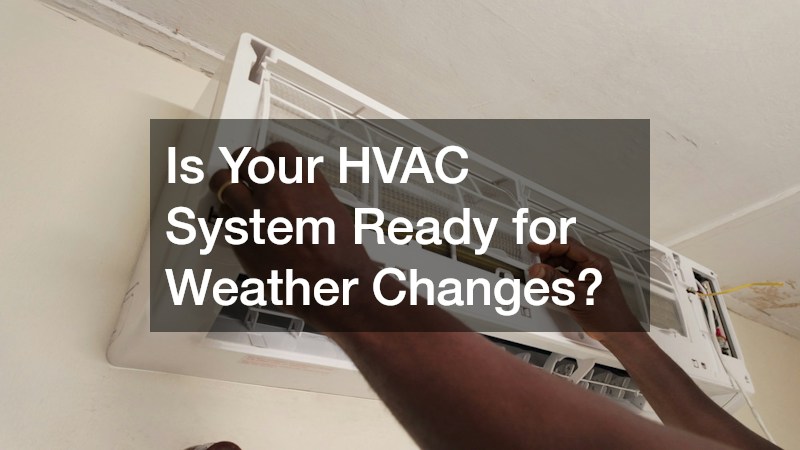
Weather changes can put your heating and cooling system to the test. As temperatures rise or fall, humidity levels shift, and seasonal conditions become more extreme, your HVAC system must work harder to keep your home comfortable. Problems such as weak airflow, uneven temperatures, unusual noises, rising energy bills, or constant system operation may become more noticeable when demand increases. Addressing these warning signs early can help prevent unexpected breakdowns when you need your system most.
Preparing your HVAC system before summer heat or winter cold arrives can improve energy efficiency, support reliable performance, and reduce the risk of costly emergency repairs. Following practical seasonal HVAC preparation tips can also help you identify maintenance needs before changing weather affects your indoor comfort. This is especially important in older homes, properties with additions, multi-level layouts, finished basements, and rooms that are difficult to heat or cool.
So, is your HVAC system ready for the next weather change? This guide explains how to prepare your heating and cooling equipment, recognize common warning signs, perform basic maintenance safely, and determine when to call a qualified HVAC professional. With a consistent seasonal maintenance routine, you can help protect your equipment, manage energy costs, and maintain a more comfortable home throughout the year.
Schedule a Seasonal System Check Early
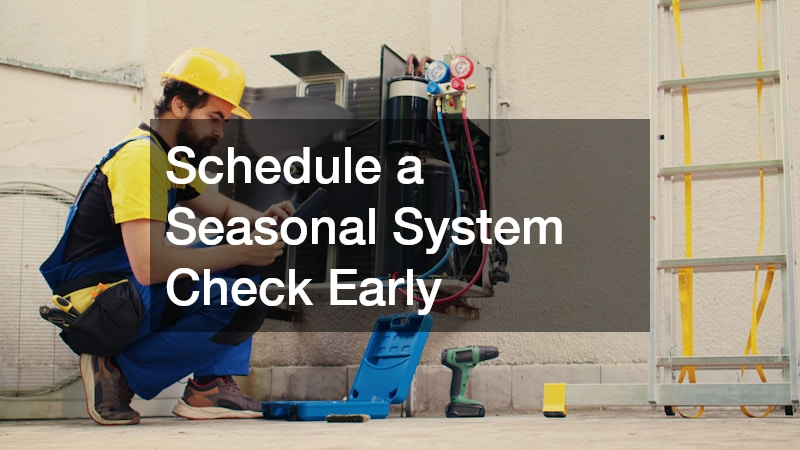
The best time to prepare a heating and cooling system is before extreme weather arrives. Waiting until the first heat wave or cold snap often means the system is already under pressure. If something is dirty, loose, worn, or failing, it may break down at the worst possible time.
A seasonal inspection should usually happen twice a year: once before cooling season and once before heating season. Spring maintenance helps prepare the air conditioner for heat and humidity. Fall maintenance helps prepare the furnace, heat pump, or heating system for colder weather.
Professional HVAC companies can check parts of the system that homeowners cannot evaluate easily or safely. A seasonal visit may include testing electrical connections, inspecting motors, checking refrigerant levels, reviewing airflow, cleaning drain lines, testing safety controls, and looking for worn components.
Common HVAC services during a seasonal visit may include:
- Thermostat testing
- Filter inspection
- Electrical connection checks
- Blower motor inspection
- Refrigerant level review
- Condensate drain cleaning
- Burner or heat exchanger inspection
- Outdoor unit inspection
- Safety control testing
This type of preventive care gives homeowners a better chance to catch problems early. A small adjustment, cleaning, or part replacement may prevent a larger repair later. It can also help the system run more efficiently when temperatures change.
Improve Airflow Before Demand Increases
Airflow problems are one of the most common reasons a home feels uncomfortable during seasonal changes. If air cannot move properly through the system, the equipment has to work harder. That can lead to longer run times, higher utility bills, uneven comfort, and extra wear.
The simplest place to start is the air filter. A dirty or clogged filter restricts airflow and can affect both heating and cooling. Many filters should be replaced every one to three months, depending on the home, filter type, pets, dust levels, and system use.
Homeowners should also check vents and returns throughout the house. Furniture, rugs, curtains, toys, or storage boxes can block airflow without anyone noticing. Closing too many vents can also create pressure problems and reduce performance.
Professional AC services may include airflow testing, coil checks, and cooling performance reviews. These checks are especially useful before summer, when weak airflow can make the system struggle to remove heat and humidity.
Better airflow can make the home feel more comfortable without extreme thermostat changes. It can also reduce strain on the system during periods of heavy use.
Test Heating and Cooling Before You Need Them
Many homeowners wait until the weather changes before turning on the system. That can create a stressful surprise. The first hot day is not the ideal time to discover the air conditioner is blowing warm air. The first cold night is not the time to find out the heat will not start.
A simple test can help reveal problems early. Before cooling season, turn the system to cooling mode and let it run long enough to confirm that cool air reaches the rooms. Before heating season, turn the system to heating mode and make sure warm air comes through the vents.
During these tests, pay attention to:
- Whether the system starts normally
- How long it takes to feel conditioned air
- Whether airflow feels strong or weak
- Strange noises
- Unusual smells
- Short cycling
- Rooms that do not respond well
- Thermostat accuracy
- Breakers tripping
HVAC repair may be needed if the system does not start, blows the wrong temperature air, cycles rapidly, makes loud mechanical sounds, or struggles to reach the thermostat setting. These problems are easier to address before the busy season, when appointment schedules may fill quickly.
Testing the system early also gives homeowners time to make decisions calmly. Instead of reacting to a breakdown, they can ask questions, compare options, and schedule service before the home becomes uncomfortable.
Prepare the Heating System for Cold Weather
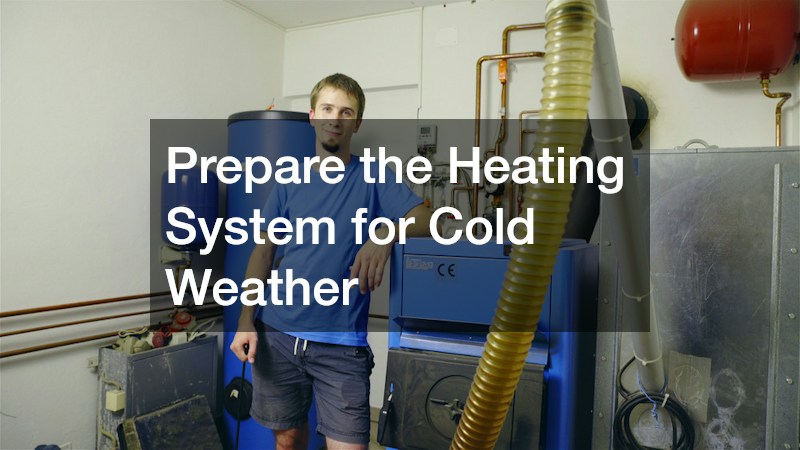
Cold weather creates different demands than warm weather. A heating system must be reliable, efficient, and safe. If the furnace has been sitting unused for months, fall is the time to make sure it is ready.
Start with the basics. Replace the filter, check the thermostat, and make sure vents are open. Then look at the area around the furnace. It should be clean, accessible, and free of stored items. Flammable materials should never be kept close to heating equipment.
Homeowners should also test carbon monoxide detectors before heating season. Any fuel-burning appliance requires extra attention because safety matters as much as comfort.
Warning signs that may point to heating problems include:
- Furnace struggles to start
- Heat shuts off too quickly
- Air from vents feels cool
- Loud banging, rattling, or grinding
- Burning smells that do not fade quickly
- Uneven heating throughout the home
- Rising energy bills without a clear reason
Furnace repair should not be delayed when the system shows these symptoms. A struggling furnace may continue to run for a while, but that does not mean it is operating safely or efficiently.
Cold weather preparation is also important for heat pumps. Outdoor units need clear airflow, and the system should switch modes properly. If the heat pump has auxiliary heat, that should also be tested before the first cold stretch.
Get the Cooling System Ready for Heat
Air conditioners often sit unused during cooler months, then suddenly need to work hard when temperatures rise. Preparing the cooling system before summer can improve comfort and reduce the chance of a breakdown during hot weather.
The outdoor condenser needs space to breathe. Leaves, grass clippings, weeds, mulch, and debris can block airflow around the unit. Homeowners should keep at least a couple of feet of clearance around the outdoor unit when possible. Shrubs should be trimmed back, and debris should be removed carefully.
Inside the home, filter changes and vent checks matter just as much. Poor airflow can cause cooling problems and may contribute to frozen coils. Condensate drainage should also be checked because cooling systems remove moisture from the air. If the drain line clogs, water can back up and cause damage.
Air conditioning repair may be needed if the system blows warm air, freezes up, leaks water, makes unusual noises, or cannot cool the home evenly. These symptoms should be addressed before the system is pushed harder by summer heat.
Review Thermostat Settings and Controls
Thermostat problems can look like equipment problems. A home may feel uncomfortable because the thermostat is poorly programmed, has weak batteries, is located in a bad spot, or is not reading the room temperature correctly.
Weather changes are a good time to review settings and schedules. During spring and fall, many people switch between heating and cooling, which can expose programming issues. A thermostat set too aggressively may cause unnecessary run time, while a poorly placed thermostat may shut the system off before the rest of the home is comfortable.
Helpful thermostat steps include:
- Replace batteries if needed.
- Confirm heating and cooling modes work.
- Review programmed schedules.
- Avoid extreme temperature setbacks.
- Keep lamps or electronics away from it.
- Check whether it reads room temperature accurately.
- Learn how smart thermostat settings affect comfort.
An HVAC repair contractor can help determine whether the issue is with the thermostat, wiring, controls, airflow, or the equipment itself. This is useful when the home feels uncomfortable even though the system seems to be running.
Check Ductwork and Room Comfort

Seasonal changes often reveal comfort problems from room to room. One bedroom may stay cold in winter, while an upstairs room may overheat in summer. These problems may not always be caused by the main heating or cooling equipment. Ductwork, insulation, airflow balance, and system sizing can all play a role.
Duct problems can waste energy and reduce comfort. Leaky ducts may send conditioned air into attics, crawl spaces, or wall cavities instead of living areas. Poorly sized ducts can restrict airflow. Closed dampers, blocked returns, or weak return pathways can also affect performance.
Common causes of room comfort issues include:
- Leaky ductwork
- Poor insulation
- Blocked vents
- Undersized ducts
- Closed dampers
- Weak blower performance
- Poor return air pathways
- Rooms over garages or additions
- Incorrect system sizing
Local HVAC installation professionals can evaluate whether the existing system and duct layout are properly matched to the home. If the same rooms are uncomfortable every season, the solution may involve duct sealing, added returns, zoning, insulation improvements, or equipment replacement.
Consider Targeted Comfort Solutions
Some spaces are difficult to heat and cool with a traditional central system. Finished garages, sunrooms, bonus rooms, home offices, workshops, additions, basements, and older homes may need a more targeted approach.
Ductless mini splits can be useful in these situations because they provide room-by-room comfort without traditional ductwork. They can be installed in a single area or designed as a multi-zone system serving several spaces. This can help when one room is always too hot or too cold compared with the rest of the home.
Homeowners researching ductless mini split wholesale options may find many equipment choices, but installation quality is critical. Sizing, placement, line set routing, electrical requirements, condensate drainage, and refrigerant handling all affect performance.
This is where local HVAC installation matters. A properly installed system can provide efficient comfort, while a poorly planned installation may create noise, drainage issues, poor airflow, or short cycling.
Mini splits are not the answer for every home, but they can be a practical solution when the main system cannot serve one area well.
Protect the Outdoor Unit
The outdoor unit is exposed all year. Leaves, grass clippings, branches, weeds, snow, ice, dirt, and storm debris can collect around it. If airflow is blocked, the system may run less efficiently and work harder than necessary.
Before the weather changes, inspect the area around the unit. Remove loose debris and trim back plants. Make sure gutters are not draining directly onto the equipment. Check that the unit sits level and is not sinking into the ground. Avoid stacking items nearby or enclosing the unit too tightly.
Outdoor maintenance steps include:
- Remove leaves and sticks around the unit.
- Trim shrubs and weeds nearby.
- Keep mulch and soil away from the base.
- Maintain open airflow around the equipment.
- Avoid tight covers that trap moisture.
- Keep snow and ice from blocking airflow.
- Make sure downspouts do not drain onto the unit.
- Look for visible damage after storms.
Seasonal HVAC services may include outdoor coil cleaning, refrigerant checks, electrical inspections, and damage reviews. These are useful because the outdoor unit does much of the hard work during cooling season and may also be part of heat pump operation during colder months.
Build a Maintenance and Emergency Plan

Preparation works best when it becomes a routine. Homeowners should not wait for a breakdown to think about maintenance, repairs, or replacement. A simple plan can reduce stress and help the system last longer.
Comparing HVAC companies before an emergency helps homeowners make better decisions. During a breakdown, it is easy to choose the first available option. Having a trusted contact ahead of time can make the process easier.
Prompt HVAC repair is also important. Running a system that is making loud noises, short cycling, leaking water, or struggling to maintain temperature can create more damage. Addressing problems early usually gives homeowners more options.
Keep Your HVAC System Ready for Every Season
A reliable HVAC system starts with proactive care, not last-minute repairs. Before temperatures reach seasonal extremes, take time to assess your equipment, address developing issues, and confirm that your heating and cooling systems are working as expected. These simple steps can help reduce unnecessary strain, improve indoor comfort, and make maintenance expenses easier to anticipate.
It also helps to make HVAC care part of your regular home maintenance plan. Schedule professional inspections when needed, replace air filters according to manufacturer recommendations, keep outdoor equipment clear of debris, and monitor changes in system performance. Maintaining service records and addressing recurring problems can help you make informed decisions about future repairs or equipment replacement.
Weather conditions will change, but your preparation can help you stay ahead of them. By maintaining your HVAC system throughout the year, you can support its performance, manage energy use, and reduce the likelihood of unexpected disruptions. A little planning today can make it easier to keep your home comfortable through the seasons ahead.