Introduction: Understanding How Home Systems Work Together to Protect Comfort and Property Value
A home is much more than a structure with walls and a roof. It is a collection of interconnected systems that work together to provide comfort, safety, efficiency, and protection. Heating equipment regulates indoor temperatures, plumbing systems provide clean water and remove waste, roofing shields the home from the elements, and drainage systems protect foundations from moisture damage. When one system begins to fail, it often affects several others.
Many homeowners focus on repairs only after problems become impossible to ignore. Unfortunately, this reactive approach frequently results in higher repair costs and greater inconvenience. A small leak may eventually damage drywall and flooring. An aging HVAC system may increase energy bills long before it completely breaks down. Clogged gutters can contribute to foundation problems that are far more expensive than routine maintenance.
Preventative maintenance offers a more effective solution. By inspecting critical systems regularly and addressing concerns early, homeowners can reduce costs, improve efficiency, and extend the lifespan of major home components. Proactive care also helps maintain property value, which becomes increasingly important as buyers seek homes with documented maintenance histories and reliable systems.
Energy efficiency has become another major priority. Rising utility costs have encouraged homeowners to invest in improvements that reduce consumption while improving comfort. Modern heating systems, efficient cooling equipment, improved insulation, and proper water management all contribute to lower operating expenses.
The most successful home maintenance strategies combine routine inspections, seasonal planning, and carefully selected upgrades. Rather than waiting for failures to occur, homeowners can identify opportunities to improve performance and prevent problems before they escalate.
This guide explores several key areas of home maintenance and system management that can help homeowners protect their investment while improving comfort and efficiency.
Identify Small Climate Control Problems Before They Become Expensive Repairs
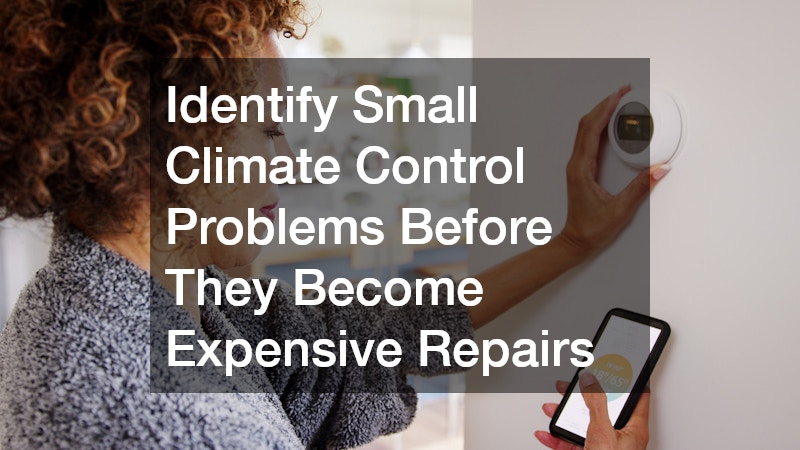
Heating and cooling equipment operates throughout much of the year, making it one of the most heavily used systems in any home. Even minor performance issues can gradually increase energy consumption and place additional strain on equipment.
Working with a trusted HVAC company allows homeowners to identify developing concerns before they result in major failures. Routine inspections often uncover small problems that can be corrected quickly and affordably.
Common warning signs include:
- Uneven temperatures throughout the home
- Weak airflow from vents
- Frequent system cycling
- Unusual noises
- Rising utility bills
Regular HVAC Service provides several important benefits:
- Improved system efficiency
- Better indoor comfort
- Reduced repair costs
- Longer equipment lifespan
- Lower energy consumption
Professional maintenance visits typically include:
- Inspecting electrical connections
- Testing thermostat performance
- Evaluating airflow
- Cleaning system components
- Checking refrigerant levels when applicable
Homeowners can also improve performance between service visits by:
- Replacing air filters regularly
- Keeping vents unobstructed
- Monitoring indoor humidity
- Maintaining clean outdoor equipment areas
Routine maintenance helps prevent unexpected breakdowns while ensuring climate control systems operate at peak efficiency.
Improve Cooling Performance and Reduce Summer Energy Bills
Cooling systems often account for a substantial portion of household energy usage during warmer months. When equipment begins to lose efficiency, homeowners may notice higher utility bills, reduced comfort, and increased maintenance needs.
Timely ac repairs help prevent these issues from escalating into costly equipment failures.
Common causes of declining performance include:
- Dirty evaporator coils
- Refrigerant leaks
- Blocked airflow
- Failing electrical components
- Clogged condensate drains
Warning signs that service may be necessary include:
- Warm air from vents
- Weak airflow
- Excessive humidity
- Unusual noises
- Longer cooling cycles
Preventative maintenance can significantly improve performance.
Recommended practices include:
- Replacing filters every few months
- Scheduling annual inspections
- Cleaning around outdoor units
- Sealing air leaks around windows and doors
Benefits of routine cooling system maintenance include:
- Lower utility bills
- Improved comfort
- Better air quality
- Extended equipment lifespan
- Reduced emergency repair risk
Addressing cooling concerns early helps homeowners avoid disruptions during the hottest periods of the year while improving overall efficiency.
Upgrade Heating Equipment for Better Reliability and Efficiency
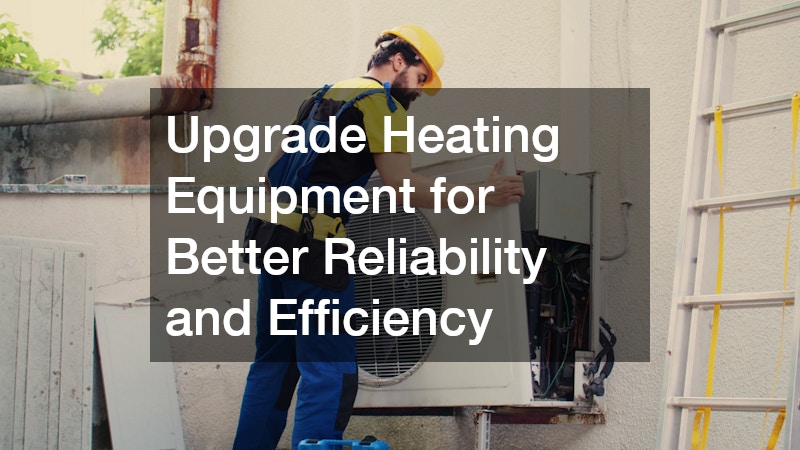
Heating systems play a critical role in maintaining comfort during colder months. As equipment ages, however, performance often declines and repair costs increase.
At some point, furnace installation may become a more cost-effective solution than continued repairs.
Signs that replacement should be considered include:
- Frequent breakdowns
- Rising heating costs
- Uneven temperatures
- Excessive noise
- Equipment age exceeding expected lifespan
Modern heating equipment offers several advantages:
- Higher efficiency ratings
- Improved temperature control
- Reduced energy consumption
- Better reliability
- Enhanced indoor comfort
Homeowners should evaluate:
- Home size
- Existing ductwork condition
- Insulation quality
- Energy efficiency goals
- Long-term operating costs
Benefits of upgrading include:
- Lower utility bills
- Fewer repair expenses
- Increased home value
- Improved comfort levels
Combining efficient heating equipment with proper insulation and air sealing can further improve performance while reducing overall heating demand.
Prevent Plumbing Problems That Lead to Costly Property Damage
Plumbing systems operate behind the scenes every day, making them easy to overlook until a problem arises. Unfortunately, even a small plumbing issue can cause significant damage if it goes undetected for an extended period.
A professional plumber can help homeowners identify leaks, worn components, and developing issues before they become major repair projects. Preventative plumbing maintenance is one of the most effective ways to protect both the home and its occupants.
Common warning signs of plumbing problems include:
- Dripping faucets
- Low water pressure
- Slow drains
- Unexplained increases in water bills
- Water stains on walls or ceilings
Leaks are particularly concerning because they often remain hidden behind walls, beneath flooring, or inside crawl spaces.
Potential consequences of neglected plumbing issues include:
- Mold growth
- Structural damage
- Damaged flooring
- Increased utility costs
- Foundation concerns
Routine maintenance recommendations include:
- Inspecting visible pipes regularly
- Monitoring water pressure
- Checking appliance supply lines
- Testing shutoff valves
- Addressing leaks immediately
Homeowners can also improve water efficiency through simple upgrades such as:
- Low-flow fixtures
- Water-saving toilets
- Efficient appliances
- Smart leak detection systems
By maintaining plumbing infrastructure proactively, homeowners can avoid expensive repairs while preserving the integrity of their property.
Maximize Heating Efficiency During Cold Weather Months
Many homes rely on fuel-based heating systems to maintain comfortable indoor temperatures during winter. These systems can provide reliable performance for many years, but only when properly maintained.
Professional heating oil services help ensure equipment operates efficiently and safely while minimizing fuel consumption.
Several factors influence heating performance, including:
- Equipment condition
- Insulation quality
- Thermostat settings
- Fuel system maintenance
- Air leakage throughout the home
Warning signs of declining efficiency include:
- Increased fuel usage
- Uneven heating
- Delayed startup
- Unusual odors
- Frequent cycling
Homeowners can improve efficiency through:
- Annual system inspections
- Filter replacement
- Air sealing improvements
- Attic insulation upgrades
- Thermostat optimization
Safety should also remain a priority.
Recommended safety measures include:
- Regular inspection of fuel lines
- Proper fuel storage practices
- Carbon monoxide detector installation
- Ventilation system maintenance
Benefits of routine maintenance include:
- Lower heating costs
- Improved comfort
- Reduced breakdown risk
- Longer equipment lifespan
- Enhanced safety
Fuel-based heating systems represent a significant investment, making preventative care an essential part of responsible homeownership.
Maintain Reliable Hot Water While Improving Household Efficiency
Hot water plays a critical role in everyday life. From showers and laundry to dishwashing and cleaning, most households depend heavily on reliable water heating equipment.
Routine water heater service helps maintain efficiency while reducing the likelihood of unexpected failures.
Common warning signs of water heater problems include:
- Inconsistent water temperatures
- Reduced hot water supply
- Strange noises from the tank
- Rust-colored water
- Visible leaks
Sediment accumulation is one of the most common issues affecting performance. Over time, minerals settle at the bottom of the tank and reduce heating efficiency.
Preventative maintenance typically includes:
- Flushing the tank
- Inspecting valves
- Checking temperature settings
- Evaluating heating elements
- Monitoring for corrosion
Benefits of regular service include:
- Improved efficiency
- Lower energy costs
- Longer equipment lifespan
- Reduced repair expenses
- Better overall performance
Homeowners should also understand when replacement may be more practical than continued repairs. Older systems often become increasingly expensive to maintain while offering lower efficiency than modern alternatives.
A properly maintained water heater improves comfort while supporting overall household efficiency.
Protect Your Home from Weather-Related Structural Damage
The roof serves as the home’s primary defense against weather, making it one of the most important structural components on any property. Damage to the roofing system can quickly lead to water intrusion, insulation problems, mold growth, and structural deterioration.
Working with an experienced roofing company allows homeowners to identify concerns before they become severe.
Common warning signs of roofing problems include:
- Missing shingles
- Curling shingles
- Water stains in the attic
- Sagging roof sections
- Excessive granule loss
Regular inspections provide valuable protection because many roofing issues remain hidden until significant damage has already occurred.
Benefits of preventative roof maintenance include:
- Early leak detection
- Improved drainage performance
- Extended roof lifespan
- Reduced repair costs
- Better energy efficiency
At some point, roof replacement may become necessary.
Factors that often indicate replacement should be considered include:
- Extensive storm damage
- Multiple recurring leaks
- Advanced age
- Widespread shingle deterioration
- Structural concerns
Homeowners should also evaluate:
- Material durability
- Climate conditions
- Ventilation performance
- Energy-efficiency opportunities
A well-maintained roofing system not only protects the structure but also contributes significantly to curb appeal and property value.
Improve Drainage and Protect Foundations from Water Damage
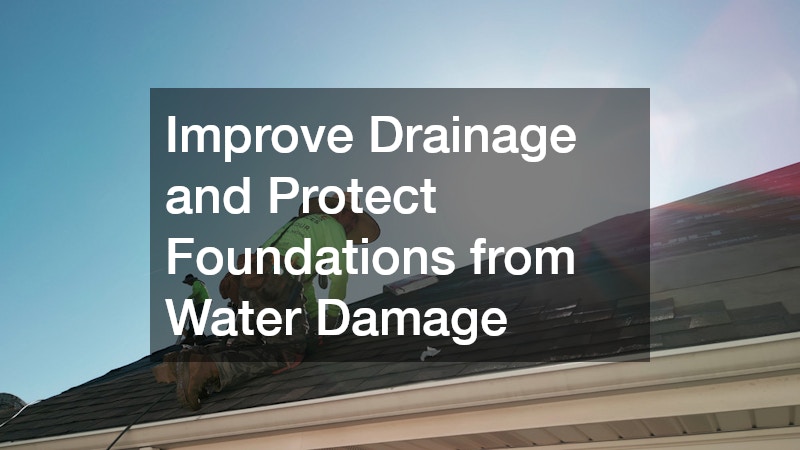
While roofing systems protect the top of a home, gutters play an equally important role in protecting the structure below. Without proper drainage, rainwater can accumulate around foundations, damage landscaping, erode soil, and contribute to moisture problems throughout the property.
A properly designed gutter installation helps direct water away from the home and minimizes the risk of costly structural damage.
Common signs that drainage systems need attention include:
- Water overflowing during storms
- Sagging gutters
- Rust or corrosion
- Water pooling near the foundation
- Soil erosion around the home
When gutters fail to function properly, homeowners may experience:
- Basement moisture issues
- Foundation settlement concerns
- Damaged siding
- Landscape erosion
- Mold and mildew growth
Routine maintenance should include:
- Removing leaves and debris
- Inspecting downspouts
- Checking fasteners and brackets
- Looking for leaks or separations
- Confirming proper drainage direction
Additional ways to improve drainage include:
- Extending downspouts away from the foundation
- Installing gutter guards
- Maintaining proper grading around the property
- Monitoring drainage during heavy rainfall
Benefits of an effective drainage system include:
- Better foundation protection
- Reduced erosion
- Improved landscaping preservation
- Lower risk of water intrusion
- Extended exterior material lifespan
Protecting a home’s drainage system is one of the simplest yet most effective ways to prevent expensive structural repairs.
Budget Strategically for Repairs, Maintenance, and Long-Term Upgrades
Successful homeownership requires more than maintenance knowledge—it also requires financial planning. Unexpected repairs can place significant strain on household budgets if homeowners are not prepared.
Creating a dedicated maintenance fund helps ensure resources are available when needed.
Benefits of budgeting for maintenance include:
- Reduced financial stress
- Faster repair response
- Better long-term planning
- Increased flexibility for upgrades
- Improved property protection
A practical budgeting strategy may include three categories:
Immediate Repairs
These projects involve safety concerns or active damage that requires prompt attention.
Examples include:
- Active leaks
- Structural concerns
- Heating failures
- Plumbing emergencies
Preventative Maintenance
These tasks help prevent larger repairs in the future.
Examples include:
- Annual inspections
- Equipment servicing
- Drainage maintenance
- Minor repairs
Planned Upgrades
These projects improve comfort, efficiency, and property value.
Examples include:
- Mechanical system replacements
- Insulation improvements
- Energy-efficiency upgrades
- Exterior enhancements
Homeowners should also compare repair costs against replacement opportunities. Continuing to repair aging equipment may eventually become more expensive than investing in modern alternatives.
Long-term planning helps homeowners make informed decisions while avoiding unnecessary financial strain.
Increase Property Value Through Consistent Maintenance and Smart Upgrades
Property value depends on much more than location and square footage. Buyers increasingly evaluate the condition of major systems and often prefer homes that demonstrate consistent maintenance and thoughtful improvements.
Homes that receive regular care generally offer:
- Better reliability
- Improved efficiency
- Fewer inspection concerns
- Greater buyer confidence
- Higher perceived value
Features that often attract buyers include:
- Updated heating and cooling equipment
- Reliable plumbing systems
- Effective drainage
- Well-maintained roofing
- Energy-efficient upgrades
Documentation can also play an important role.
Helpful records include:
- Service invoices
- Inspection reports
- Equipment warranties
- Maintenance schedules
- Upgrade documentation
Homeowners should focus on balancing cosmetic improvements with system maintenance. While visual upgrades can enhance appearance, buyers also value the reliability of mechanical and structural components.
Consistent care helps create a home that feels move-in ready and demonstrates responsible ownership.
Conclusion: Building a More Efficient, Comfortable, and Protected Home
Maintaining a home successfully requires a commitment to both preventative care and strategic improvements. Every major system—from climate control and plumbing to roofing and drainage—contributes to the overall performance, comfort, and value of the property. When these systems are properly maintained, homeowners enjoy fewer repairs, lower operating costs, and greater peace of mind.
Ultimately, homeownership is an ongoing process of protection, improvement, and stewardship. By prioritizing preventative maintenance, investing in strategic upgrades, and addressing problems early, homeowners can create living environments that remain safe, efficient, comfortable, and valuable for years to come. The effort invested today often results in substantial savings, greater reliability, and improved quality of life in the future.