Heating and cooling systems are vital components of any home or commercial building, ensuring comfort, safety, and energy efficiency year-round. These systems are complex, with numerous components working together to regulate temperature, humidity, and air quality. Neglecting maintenance can lead to higher energy bills, decreased system efficiency, frequent breakdowns, and costly repairs.
Proactive care for heating and cooling systems is not only about fixing problems as they arise but also about preventing them before they occur. By understanding how your systems operate, identifying early warning signs of trouble, and following a structured maintenance routine, you can extend the lifespan of your equipment and maintain a comfortable living or working environment. This article offers actionable tips for homeowners and facility managers to maintain their HVAC systems efficiently, covering inspections, preventative maintenance, energy optimization, repairs, and professional service strategies.
In addition to saving money, consistent maintenance helps create a safer environment. Poorly maintained systems can circulate dust, allergens, and pollutants, and malfunctioning heating systems can produce safety hazards such as carbon monoxide leaks. By implementing a comprehensive maintenance approach, you ensure the reliable performance of your HVAC system and the long-term well-being of your home or building occupants.
Schedule Regular System Inspections
Routine inspections are the cornerstone of efficient heating and cooling system management. Scheduling periodic check-ups allows homeowners and property managers to identify small issues before they become expensive problems. Inspections help maintain optimal system performance and reduce energy consumption by ensuring all components operate as intended.
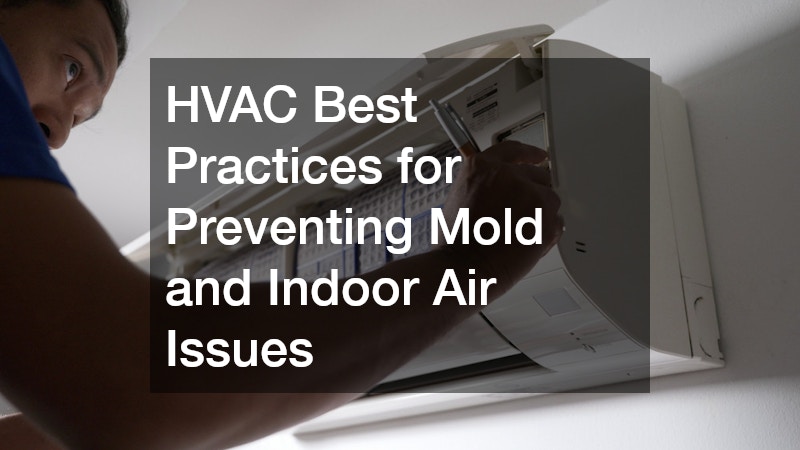
Key components to inspect include filters, coils, blower motors, refrigerant lines, ductwork, thermostats, and safety controls. Even minor issues like a dirty filter or a clogged drain pan can decrease efficiency and increase wear on your equipment. Seasonal inspections, particularly before summer and winter, prepare systems for extreme conditions, preventing unexpected breakdowns during peak use.
Working with a local HVAC company ensures a thorough inspection by experienced professionals. Technicians can evaluate the overall condition of the system, recommend repairs or upgrades, and provide guidance on maintenance schedules. In addition, they often identify hidden problems that homeowners might overlook, such as small leaks, electrical issues, or refrigerant imbalances.
Tips for effective inspections:
- Schedule inspections twice a year, ideally before the heating and cooling seasons
- Keep a checklist of system components for technicians to review
- Monitor for unusual noises, odors, or vibrations during inspections
- Document inspection findings and follow through on recommended repairs
- Consult a local AC company for professional guidance
Regular inspections not only prevent emergencies but also optimize system efficiency, saving energy and extending the life of your HVAC equipment.
Maintain Airflow and Clean Components
Proper airflow is essential for the efficiency and longevity of heating and cooling systems. Restricted airflow forces the system to work harder, increasing energy usage and component wear. Ensuring that vents, registers, ducts, and filters are clean and unobstructed is key to maintaining optimal performance.
Filters should be replaced every one to three months, depending on system usage and the level of dust or allergens in the environment. Dirty filters restrict airflow, reduce efficiency, and can even lead to system overheating or damage. Coils, fans, and blower components should be cleaned periodically to prevent dirt and debris buildup. Blocked or dirty ductwork reduces airflow to various parts of the home, creating hot and cold spots and straining equipment.
Outdoor units also require attention. Remove leaves, dirt, and debris from around the condenser unit to maintain proper airflow. Ensure that the unit is level and that nearby vegetation does not obstruct air intake. Regular maintenance of outdoor components prevents inefficiencies and extends equipment life.
Tips for maintaining airflow and clean components:
- Replace air filters every 1–3 months
- Inspect and clean coils, blower fans, and condensate pans
- Keep ducts clear of dust, debris, and blockages
- Maintain a clean, obstruction-free area around outdoor units
- Schedule professional cleaning for ductwork periodically
- Ensure vents and registers inside the building are unobstructed
Maintaining airflow and clean components improves efficiency, reduces energy costs, and ensures the system operates safely and reliably.
Preventative Heating Maintenance
Winter months place a high demand on heating systems, making preventative maintenance essential for comfort and safety. Furnaces, boilers, heat pumps, and other heating equipment require regular servicing to maintain efficiency and prevent failures.
Preventative heating maintenance includes inspecting and cleaning burners, lubricating motors, checking heat exchangers, calibrating thermostats, and examining venting systems. A well-maintained furnace runs more efficiently, consumes less energy, and provides consistent warmth throughout the home. Regular servicing also reduces the risk of carbon monoxide leaks and other safety hazards associated with heating systems.
Scheduling routine heating and cooling services ensures that any small issues are addressed before they escalate into costly repairs. Preventative care can include minor repairs, component adjustments, or even recommendations for system upgrades. A properly maintained heating system also minimizes uneven heating and improves overall indoor comfort.
Tips for effective heating maintenance:
- Schedule an inspection at least once a year before the heating season to see if you need furnace repair.
- Clean or replace filters and inspect air vents
- Lubricate motors and moving components
- Inspect heat exchangers for cracks or wear
- Test thermostat accuracy and functionality
- Check carbon monoxide detectors and safety devices
Proactive heating maintenance reduces the likelihood of emergency repairs, enhances system efficiency, and ensures safe operation during the coldest months.
Address Repairs Promptly
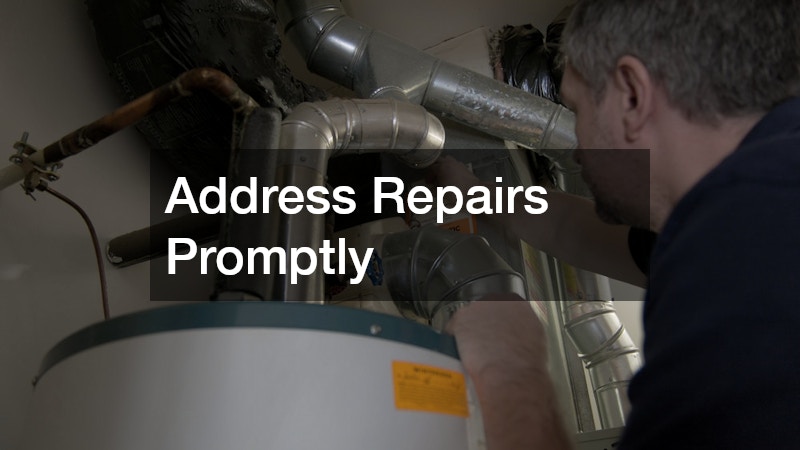
Timely repairs prevent small issues from becoming major problems. Whether it’s an air conditioner showing signs of strain or a furnace making unusual noises, addressing HVAC and air conditioner repairs promptly preserves system efficiency and extends equipment life.
Common signs that repairs are needed include unusual sounds, uneven temperatures, rising energy bills, or odors coming from vents. For homeowners, identifying these warning signs early allows for corrective action before a total system failure occurs. Some minor issues, like a loose fan belt or clogged drain line, may be addressed quickly, while more complex problems require professional intervention.
Building a relationship with a trusted HVAC service provider ensures timely response when repairs are needed. Experienced technicians can diagnose issues, provide professional recommendations, and perform repairs safely and efficiently. Regular communication with a service provider also helps homeowners plan for scheduled maintenance or equipment upgrades.
Tips for addressing repairs:
- Watch for unusual sounds, odors, or inconsistent temperatures
- Address minor repairs immediately to prevent larger failures
- Keep a trusted HVAC service provider on call
- Schedule professional repairs as soon as issues are detected
- Maintain a log of all repairs for future reference
Promptly addressing repairs improves system reliability, maintains efficiency, and prevents costly emergencies.
Optimize Thermostat and System Settings
Proper thermostat management can significantly reduce energy consumption and improve system efficiency. Programmable and smart thermostats allow for automated temperature adjustments based on time of day, occupancy, or seasonal needs.
Setting your system to operate efficiently while you’re home and adjusting it when the building is unoccupied helps reduce unnecessary energy use. Multi-zone systems can be programmed to heat or cool specific areas independently, enhancing comfort and saving energy. For commercial properties, scheduling temperature adjustments during non-business hours reduces operational costs while maintaining building integrity.
Regularly calibrating thermostats ensures accuracy and consistent comfort. Smart thermostats also allow homeowners to monitor system performance remotely, providing insights into energy usage patterns and identifying inefficiencies early.
Tips for optimizing system settings:
- Use programmable or smart thermostats for automated control
- Adjust temperature settings based on occupancy
- Set different temperatures for night and day periods
- Regularly calibrate thermostats to ensure accuracy
- Monitor energy consumption through smart apps or utility reports
- Implement multi-zone control for larger properties
Optimizing thermostat and system settings helps maintain consistent comfort, reduces energy waste, and prolongs system life.
Improve System Efficiency with Upgrades
Upgrading components or equipment can improve efficiency, comfort, and reliability. High-efficiency air conditioners, furnaces, heat pumps, or zoning systems reduce energy usage and maintain optimal indoor conditions.
Equipment upgrades may include air conditioning repair, replacing outdated air conditioners, installing high-efficiency furnaces, or implementing zoning systems to better control temperature in different areas. Professional AC installation by an experienced AC company or HVAC contractor ensures proper sizing, calibration, and compliance with manufacturer specifications. Considerations such as SEER ratings, AFUE ratings, and warranties help guide upgrade decisions.
Tips for efficient upgrades:
- Evaluate the age and performance of existing equipment
- Consult a professional for proper sizing and installation
- Consider energy-efficient units for long-term cost savings
- Implement zoning systems for targeted temperature control
- Track energy usage before and after upgrades
Investing in efficiency upgrades reduces operational costs, improves comfort, and enhances the lifespan of your heating and cooling systems.
Maintain Outdoor Units and Surroundings
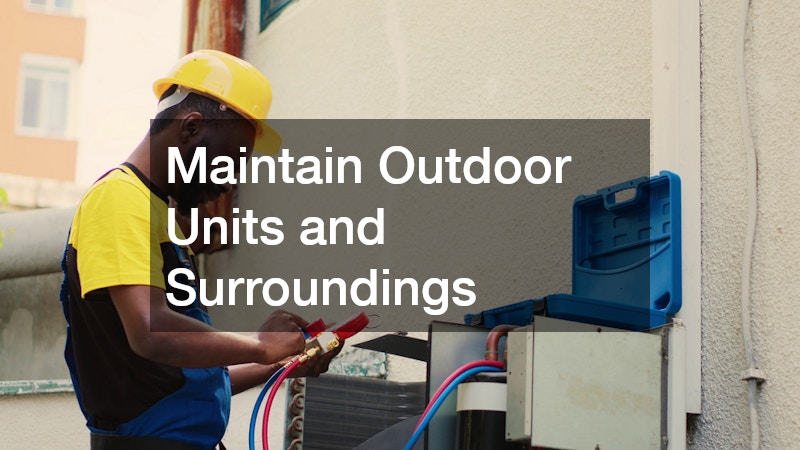
Outdoor HVAC units are vulnerable to weather, debris, and vegetation growth. Keeping these units clean and unobstructed ensures efficient operation and prevents damage.
Tips include removing leaves, dirt, and debris from around the condenser unit, checking for rust or corrosion, and making sure the unit is level. Vegetation should be trimmed to prevent airflow restriction. Seasonal preparations, such as covering units in winter or inspecting for summer readiness, further protect outdoor equipment. Regular professional inspections complement these routine care practices.
Tips for maintaining outdoor units:
- Clear debris and vegetation around the unit
- Inspect for corrosion, damage, or loose components
- Ensure the unit is level for optimal operation
- Schedule seasonal inspections for preventative maintenance
- Check electrical connections and condensate lines
Well-maintained outdoor units operate more efficiently, consume less energy, and have a longer service life.
Monitor Energy Consumption and Performance
Monitoring system performance and energy consumption helps identify inefficiencies and potential issues early. Sudden increases in energy bills may indicate a system working harder than necessary.
Tips include reviewing utility bills, checking airflow consistency, monitoring indoor temperatures, and conducting energy audits. Smart monitoring systems provide real-time feedback, helping detect leaks, duct issues, or failing components. This data allows homeowners and facility managers to take corrective action proactively.
Tips for energy monitoring:
- Compare monthly energy usage to historical averages
- Inspect airflow and temperature consistency throughout the building
- Conduct annual energy audits to identify inefficiencies
- Utilize smart monitoring tools for real-time feedback
- Track maintenance and repair impacts on energy performance
Monitoring energy consumption helps improve efficiency, reduce costs, and extend equipment life.
Schedule Professional Servicing Annually
Annual professional service ensures thorough system maintenance. Licensed technicians inspect components, clean coils, calibrate systems, and identify minor issues before they escalate.
Scheduling both residential and commercial contractor services guarantees that heating and cooling systems operate safely and efficiently. Professional service also verifies compliance with manufacturer specifications and local safety codes. Documentation of professional servicing provides a maintenance history that is valuable for warranties, insurance, and resale value.
Tips for professional servicing:
- Schedule inspections at least once per year
- Request a full diagnostic review of all system components
- Keep a record of all professional maintenance and repairs
- Plan service visits before peak seasonal demand
- Confirm that contractors follow the manufacturer and safety guidelines
Annual professional service extends system life, maintains efficiency, and reduces unexpected repair costs.
Plan for Long-Term System Longevity
Creating a long-term maintenance plan helps homeowners and facility managers anticipate repairs, replacements, and efficiency improvements. Tracking repair history, scheduling seasonal inspections, and budgeting for future upgrades ensures consistent performance.
Documenting warranties, service agreements, and component lifespans aids in long-term planning. Multi-year plans may include phased upgrades, energy efficiency improvements, and regular professional inspections. This proactive approach minimizes emergency situations, reduces repair costs, and maintains a comfortable environment year-round.
Tips for long-term planning:
- Track maintenance history and repairs systematically
- Schedule seasonal and annual inspections consistently
- Budget for upgrades or equipment replacement
- Document warranties and professional service records
- Monitor system performance over multiple years
A structured long-term plan ensures reliable, efficient, and safe operation for heating and cooling systems, protecting both comfort and investment. Maintaining efficient heating and cooling systems requires consistent attention, proactive care, and professional support. Routine inspections, clean components, timely repairs, and strategic upgrades all contribute to optimized performance, reduced energy consumption, and long-term reliability.
Homeowners and property managers benefit from a structured maintenance plan that includes seasonal inspections, energy monitoring, and professional servicing. Taking a comprehensive approach minimizes costly emergencies, enhances comfort, and protects the lifespan of your equipment. By investing time and resources into proper maintenance, your heating and cooling systems will operate efficiently and safely for years to come.