Maintaining a comfortable indoor temperature does not always require major renovations or expensive equipment upgrades. Many homeowners can improve comfort and efficiency through targeted adjustments that address airflow, insulation, and heat management. Small, intentional changes—when applied consistently—can stabilize indoor temperatures, reduce energy waste, and make living spaces more comfortable year-round. These improvements are often cumulative, meaning several modest upgrades can collectively deliver noticeable results. The sections below focus on practical, manageable actions that work together to create a more balanced indoor environment.
Optimize Insulation for Steady Indoor Comfort
Air leaks around baseboards, electrical outlets, and wall penetrations allow conditioned air to escape and outdoor air to enter. Even minor gaps can disrupt indoor temperatures by creating drafts and forcing heating or cooling systems to work harder. Using caulk, foam sealant, or weatherstripping in these areas can significantly reduce temperature fluctuations. Focus first on rooms that feel drafty or struggle to maintain consistent temperatures, as they often reveal the most impactful problem areas.
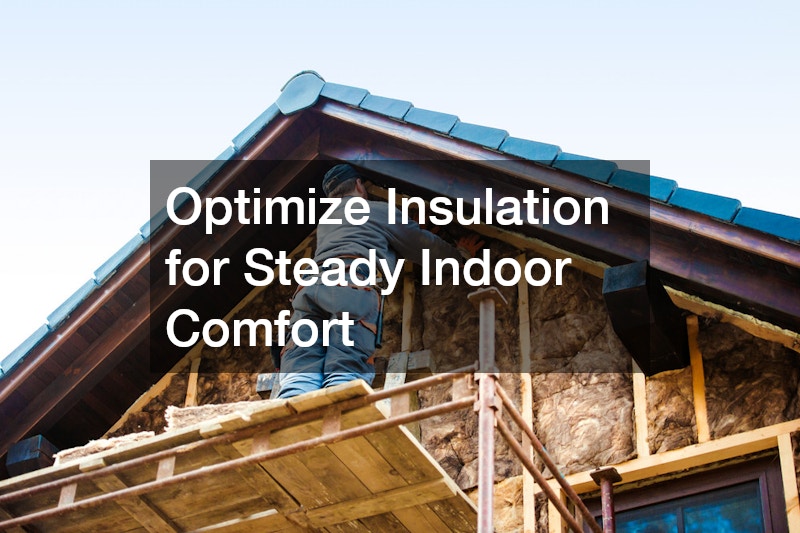
Insulation upgrades are most effective when applied strategically rather than uniformly. Prioritize rooms with exterior-facing walls, vaulted ceilings, or large windows, as these areas lose heat more rapidly and are more susceptible to outdoor temperature changes. Adding insulation batts, blown-in insulation, or insulated wall panels helps slow heat transfer and improves overall comfort. Even partial upgrades, such as insulating a single wall or ceiling section, can noticeably reduce hot and cold spots.
When planning major system upgrades, insulation improvements should be part of the conversation. Addressing insulation issues during HVAC installation ensures the new system operates efficiently from day one rather than compensating for existing deficiencies. Proper insulation allows heating and cooling equipment to maintain target temperatures with less effort, which improves comfort, reduces energy consumption, and extends system lifespan. Coordinating these updates also minimizes future disruptions.
Control Airflow Between Indoor and Outdoor Spaces
Entryways and garage doors are frequent sources of air leakage due to constant use and exposure to the elements. Installing door sweeps, replacing worn weatherstripping, and ensuring doors close tightly can minimize unwanted airflow. Simple entryway and garage door repair helps prevent cold air from entering during winter and hot air during summer. Over time, better-sealed entry points reduce temperature swings and help maintain consistent indoor conditions.
Large moving components, such as sliding doors or overhead doors, often develop gaps as hardware wears down or shifts. Regularly inspecting tracks, rollers, and seals helps identify airflow issues early, before they affect adjacent rooms. Adjustments or replacements can restore a tight seal and reduce temperature loss. This is especially important for homes with attached garages or oversized doors that directly influence interior comfort.
When scheduling a garage door repair service, ask the technician to evaluate insulation quality and weather seals in addition to mechanical components. A poorly sealed garage can act as a temperature conduit, introducing heat or cold into nearby living spaces. Improving door insulation and sealing gaps reduces heat transfer and helps stabilize temperatures, particularly in rooms located above or next to the garage.
Manage Exterior Conditions That Influence Indoor Climate
Trees and landscaping provide natural shade that limits direct sunlight on the home’s exterior surfaces. Strategic shading reduces heat gain during warmer months, easing cooling demands and improving indoor comfort. Well-placed trees can also shield windows and walls without blocking beneficial winter sunlight. Over time, this natural approach supports temperature regulation with minimal ongoing cost.
Proper exterior airflow prevents heat buildup around the structure. Clearing debris near foundations, maintaining spacing between structures, and trimming dense vegetation all support better temperature control. Improved airflow helps exterior surfaces cool more efficiently, which complements insulation and sealing efforts inside the home.
Overgrown trees can block airflow or damage insulation, siding, and roofing materials. Regular maintenance from a tree service ensures vegetation supports, rather than undermines, temperature regulation efforts. Thoughtful landscaping maintenance plays a subtle but important role in protecting the home’s thermal performance.
Strengthen the Home’s Upper Thermal Envelope
Heat naturally rises, making the attic a critical area for temperature regulation. Inadequate insulation or air sealing in this space allows heat to escape quickly in winter and accumulate excessively in summer. Improving attic insulation helps retain warmth when temperatures drop and limits heat intrusion during warmer months, stabilizing indoor conditions across all levels of the home.
In warmer climates or sun-exposed homes, reflective barriers can further reduce heat buildup in the attic. These materials reflect radiant heat away from living spaces, easing the load on cooling systems. When combined with proper insulation and ventilation, reflective solutions contribute to a more balanced indoor temperature throughout the year.
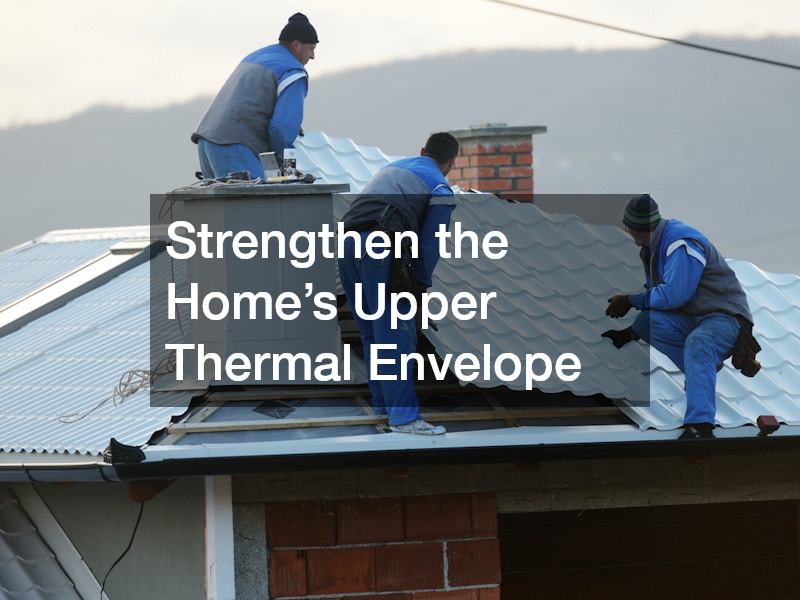
Damaged roofing materials compromise insulation performance and allow unwanted heat transfer. Timely roof repair addresses leaks, gaps, and degraded materials that affect temperature control. Maintaining the roof’s integrity supports the entire thermal envelope of the home and prevents small issues from escalating into larger comfort or efficiency problems.
Improve Temperature Stability in Transitional Areas
Transitional spaces like garages, mudrooms, and enclosed porches often act as buffers between indoor and outdoor environments. When left uninsulated, these areas can undermine temperature control in adjacent rooms. Insulating shared walls and ceilings reduces heat transfer into living areas and helps maintain more consistent indoor temperatures.
Doors separating living areas from transitional spaces should seal tightly to prevent air movement. Adding weatherstripping or installing insulated doors creates a stronger temperature buffer that limits heat loss and gain. These upgrades are cost-effective and deliver immediate comfort improvements without altering the primary heating or cooling system.
If your garage door allows visible gaps or rattles during windy conditions, it may be time for garage door repair. Repairing or upgrading seals and panels reduces unwanted air exchange and improves temperature stability. This is particularly important for attached garages, where temperature swings can directly affect nearby rooms.
Upgrade Windows to Reduce Thermal Transfer
Older or damaged windows often allow heat to escape through thin glass or compromised seals. Identifying problem windows is the first step toward improving temperature control. Touch tests during cold weather or condensation between panes can indicate inefficiencies. Addressing the worst offenders can noticeably improve comfort in frequently used rooms.
Temporary solutions such as insulating window film, thermal curtains, or removable inserts provide immediate relief from temperature extremes. These options are especially helpful for renters or homeowners planning phased upgrades. While not permanent, they can significantly reduce drafts and heat loss during colder months.
Drafty windows undermine temperature control even when the rest of the home is well insulated. Investing in window repair restores proper sealing and improves overall performance. Target rooms that are hardest to keep comfortable, as improvements there often deliver the most noticeable gains.
Maintain Heating Components for Consistent Output
Uneven heating often signals airflow imbalances or system inefficiencies. Pay attention to rooms that warm slowly or overheat compared to others. Adjusting vents, balancing airflow, or clearing obstructions can improve distribution. Regular monitoring helps catch minor issues before they affect overall comfort.
Heating systems lose efficiency as components age. Ignoring worn parts can lead to inconsistent temperatures, higher energy use, and unexpected breakdowns. Proactively replacing failing components keeps heat output steady and allows homeowners to plan maintenance rather than reacting to emergencies during peak demand.
For homes that rely on boilers, aging boiler parts can significantly impact temperature control. Valves, pumps, and heat exchangers should be inspected regularly for wear or corrosion. Addressing small issues early helps maintain consistent heat output and extends system lifespan.
Use Supplemental Heat Sources Strategically
Supplemental heat sources can enhance the warmth and coziness of your home, especially when used strategically. Instead of heating the entire house, which can be energy-intensive, focusing on individual rooms that need extra warmth can improve comfort without raising energy bills. This approach allows the primary heating system, such as a furnace or heat pump, to function more effectively.
It’s important to avoid overreliance on supplemental heating devices, as this can cause uneven temperatures in the home. This imbalance can lead to discomfort and waste energy. Supplemental heating should support the main system, not replace it. Regular monitoring of room temperatures with thermostats or smart devices can maintain a pleasant climate and prevent overheating.
A fireplace is a warm and inviting option for supplemental heating. To maximize efficiency, ensure that the damper is closed when not in use, preventing heat loss up the chimney. Installing a fireplace insert can enhance heat output by converting more fuel energy into usable heat. These practices reduce heat loss and help maintain a comfortable, energy-efficient home during colder months.
Adjust Indoor Settings Based on Outdoor Trends
Proactively responding to temperature changes is a crucial approach to managing indoor climate effectively. By allowing for gradual adjustments, rather than forcing abrupt corrections, you cushion the environment from sudden shifts. These small, preemptive changes are instrumental in reducing the strain on heating, ventilation, and air conditioning systems. This not only preserves the machinery but also maintains the overall comfort levels in homes or buildings. This is particularly beneficial during seasonal transitions, when temperatures can fluctuate unpredictably and quite frequently, potentially leading to discomfort and inefficiency if not managed well.
Using programmable or smart thermostats significantly optimizes this process. These advanced thermostats are designed to automate temperature adjustments based on the time of day and the typical weather patterns expected for that period. By doing so, they ensure a level of consistency and comfort that does not require constant manual effort or adjustments from the occupants. Over time, utilizing such technology helps in maintaining stable indoor temperatures, which is not only critical for comfort but also contributes to improved energy efficiency. This can result in significant energy savings and a reduction in the environmental impact of excessive energy use.
Regularly checking weather forecasting is another valuable practice for homeowners aiming to anticipate and prepare for upcoming weather conditions. Staying informed about the weather allows individuals to make timely adjustments in anticipation of cold snaps or heat waves. This foresight prevents discomfort and mitigates the risk of experiencing sudden energy demands caused by reactive system changes. By planning ahead, homeowners can keep their energy consumption more consistent and manageable, avoiding the high costs and inefficiencies that result from last-minute reactive measures.
Factor Comfort Into Long-Term Home Decisions
Effectively managing indoor temperature is a key driver in controlling energy expenses. When a home consistently maintains a stable temperature, it efficiently minimizes the need for heating and cooling units to frequently cycle on and off throughout the day. This not only ensures efficient energy consumption but also contributes to a significant reduction in monthly utility bills. By comprehending how these elements interconnect, homeowners can strategically prioritize upgrades and modifications that offer the dual advantage of enhancing personal comfort while also being financially prudent over an extended period.
Refinancing a mortgage or unlocking the value stored in a home’s equity often opens up valuable avenues to fund energy-efficient upgrades. By adeptly weaving these comfort-improving initiatives into broader, long-term financial strategies, homeowners can alleviate the initial financial barriers associated with such enhancements, thereby making them more attainable. Moreover, these investments are not merely about improving the day-to-day experience of living; they tend to bolster the overall market value of the home, delivering compound benefits in terms of both lifestyle and asset appreciation.
When the objective is to curtail monthly expenditures or embark on renovating the living space, it can be immensely advantageous to engage in a dialogue with a mortgage lender regarding energy-efficiency projects. Certain financing solutions are designed to consider and incorporate the potential savings and enhancements brought about by energy-efficient improvements. By harmonizing financial strategies with aspirations for a more comfortable and sustainable home environment, homeowners empower themselves to undertake well-informed and responsible decisions—choices that are not only beneficial in the immediate context but are sound investments in the home’s future appeal and efficiency.
Regulating your home’s temperature does not require a single, sweeping solution. Instead, consistent improvements across insulation, airflow, heating components, and exterior conditions work together to create a more stable and comfortable living environment. By addressing small issues proactively and making informed adjustments, homeowners can achieve lasting comfort while reducing energy waste and avoiding unnecessary strain on their systems.