Key Takeaways
- Setting your heating to 68°F while awake in winter and raising it in summer when you’re out can noticeably cut annual utility costs
- Pulling back the temperature 7 to 10 degrees for roughly 8 hours a day can lower yearly heating and cooling costs by up to 10%
- Smart and programmable thermostats remove the guesswork and automatically shift temperatures based on your schedule
- Sleep setbacks matter — dropping the heat or raising the AC overnight pays off without hurting comfort
- Seasonal recalibration, zoning, and placement all affect how accurately your system responds to the numbers you set
- Pairing thoughtful temperature habits with regular equipment maintenance delivers the biggest long-term savings
- Small 1-degree adjustments compound into meaningful dollar reductions over a full billing year
Why Your Thermostat Is the Cheapest Energy Upgrade You Own
Most homeowners obsess over new windows, attic insulation, or shiny appliances when they want to shrink their utility bills. Meanwhile, the little box on the hallway wall quietly runs the show. Your thermostat controls roughly half of your home’s energy use, and changing a few numbers on it costs nothing.
That’s the strange beauty of it. You don’t need a contractor, a permit, or a weekend of work. You just need a plan. Dial in the right temperatures at the right times of day, and the savings start showing up on the next bill.
This guide walks you through the exact process — season by season, hour by hour — so you can stop guessing and start pocketing the difference.
Start With a Baseline: What Temperature Should You Actually Set?
Before you optimize anything, you need a starting point. The goal isn’t to freeze in winter or sweat in summer. It’s to find a comfortable baseline, then shift away from it strategically when you don’t need full comfort.
According to the U.S. Department of Energy, the ideal daytime winter setting hovers around 68°F when you’re awake and home. For summer, 78°F is the widely accepted mark when you’re there and active. These numbers aren’t arbitrary — they strike the balance between keeping the body comfortable and keeping the compressor from running nonstop.
Here’s a simple baseline chart to work from:
- Winter, awake and home: 68°F
- Winter, asleep or away: 60–62°F
- Summer, awake and home: 78°F
- Summer, asleep: 82°F
- Summer, away for 4+ hours: 85°F
Write these numbers down. You’ll adjust from here based on your household’s tolerance, but these targets are where real savings begin.
How Big Temperature Setbacks Translate to Real Dollars
A “setback” just means pushing the temperature further from your comfort zone during hours you don’t need it. It’s the single most effective habit you can build.
Shifting your thermostat 7 to 10 degrees for about 8 hours a day can trim annual heating and cooling costs by as much as 10%. That’s not pocket change over a year. For a household spending $2,000 annually on climate control, that’s $200 recovered without buying a thing.
When to Schedule Your Setbacks
Timing is everything. The two natural windows are overnight and during work or school hours. Here’s a practical approach:
- Setback kicks in 15 minutes before bedtime
- Normal temperature returns 30 minutes before your alarm
- Setback engages 15 minutes after you leave for the day
- Normal temperature resumes 30 minutes before you return home
That pre-warming or pre-cooling buffer is what keeps the house comfortable the second you step in. Your system doesn’t have to sprint — it just eases back to baseline.
Nailing the Best Thermostat Settings for Energy Savings in Summer
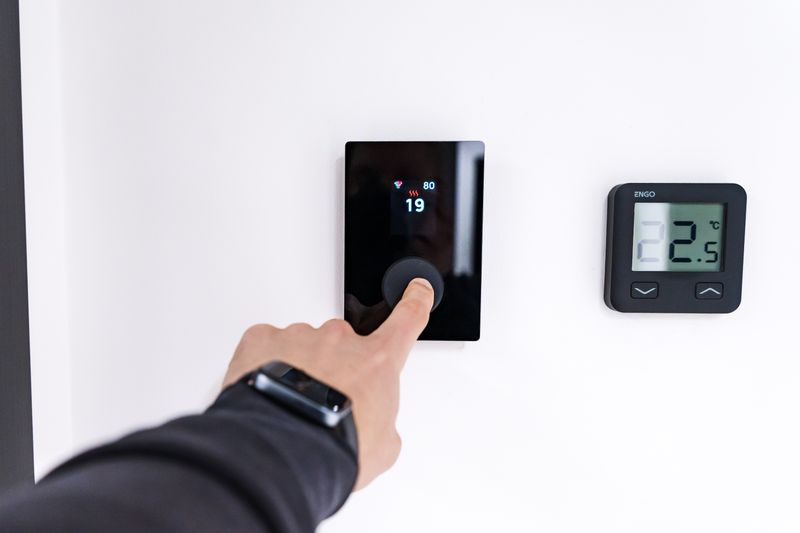
Summer is where many people lose the plot. They crank the AC to 68°F expecting instant relief, which only forces the system to run constantly without actually cooling faster. The thermostat is a target, not an accelerator. Your air conditioner delivers cold air at the same rate whether you set it to 72°F or 60°F — the lower number just means the compressor runs longer to chase an unrealistic goal, burning kilowatts and wearing out components in the process. Understanding that single concept will change how you interact with your thermostat for the rest of your life.
Finding the best thermostat settings for energy savings during cooling season means accepting one truth: every degree you raise the setpoint cuts cooling costs by roughly 3%. Starting at 78°F during the day and bumping it to 85°F when the house is empty is where the magic happens. Ceiling fans help by making 78°F feel more like 75°F, letting you push the number up without noticing. The Department of Energy has pointed to 78°F as the sweet spot for a reason — it’s warm enough to minimize runtime but still well within the comfort range for most households, especially when paired with proper humidity control. Speaking of humidity, keeping indoor levels between 30% and 50% dramatically improves how cool a room feels, which is a huge win for HVAC efficiency because your system isn’t fighting sticky air on top of heat.
If 78°F feels brutal the first day you try it, don’t jump ship. Give your body a week to acclimate — most people adapt faster than they expect, and the savings on the next utility bill tend to reinforce the habit. You can also ease into it by lowering the setpoint one degree at a time rather than making a dramatic leap.
Here are the summer habits that make the biggest dent:
- Close blinds on south- and west-facing windows during peak sun hours
- Run major appliances like dryers and ovens in the early morning or late evening
- Raise the setpoint by at least 4 degrees overnight while sleeping
- Use ceiling fans only in rooms you’re occupying
- Keep AC vents clear of furniture and rugs
- Grill outside instead of using the oven on triple-digit days
- Swap incandescent bulbs for LEDs, which generate a fraction of the heat
- Seal gaps around doors, windows, and attic hatches to stop cool air from leaking out
Beyond those habits, pay attention to when your system is working hardest. Peak demand hours — typically between 2 p.m. and 7 p.m. in most regions — are when electricity rates often spike under time-of-use billing. Pre-cooling your home to 76°F around noon and then letting it drift up to 80°F during those expensive hours can slash your bill without ever making the house uncomfortable. Smart thermostats can automate this entire dance if you don’t want to babysit the schedule.
If you want more granular tactics for shaving dollars off cooling season, this guide on how to lower AC bill without giving up comfort pairs nicely with your thermostat strategy.
Winter Settings That Keep You Warm Without Burning Cash
Winter heating is usually the biggest energy expense in a home, so the opportunity for savings is even larger. The trick is layering clothing and bedding so you can tolerate slightly cooler indoor temperatures.
The 68°F daytime target works for most people wearing a sweater and socks. At night, deep sleep actually happens more easily in cooler rooms, so dropping the thermostat into the low 60s is both healthier and cheaper. Pulling the temperature down at least 8 degrees overnight in winter delivers meaningful savings without disrupting sleep.
Dealing With Older Systems and Cold Spots
Not every home responds the same way to setbacks. Drafty windows, uneven ductwork, and an aging HVAC system can create cold rooms that make the whole house feel colder than the thermostat suggests. If that’s your situation, consider whether the equipment itself is the real bottleneck before pushing setbacks any further — sometimes the thermostat is doing its job, and the system simply can’t keep up. In those cases, assessing whether to repair or replace your aging HVAC system becomes part of the savings equation.
Zoning and door management help too. Close vents in guest rooms you don’t use daily. Shut doors to unheated spaces. These small moves let your heater focus on the rooms you actually live in.
Should You Upgrade to a Smart or Programmable Thermostat?
Manual thermostats work fine if you have the discipline to adjust them four times a day. Most people don’t. That’s where programmable and smart models earn their keep — they automate the setbacks you’d forget to make.
A basic programmable thermostat costs $30 to $80 and lets you set a weekly schedule. Smart thermostats run $100 to $250 and learn your patterns, factor in weather forecasts, and let you adjust from your phone. According to the EPA’s ENERGY STAR program, certified smart thermostats deliver average savings of about 8% on heating and cooling bills, which typically pays back the device within one to two years.
When shopping, look for these features:
- Geofencing that detects when you leave or arrive
- Learning algorithms that adapt to your schedule over a week or two
- Compatibility with your heating and cooling system (check before buying)
- Remote access through a smartphone app
- Energy usage reports that show you where the dollars go
- Multi-zone support if you have more than one HVAC unit
The real win with smart models isn’t just the hardware — it’s that they remove human error from the equation. You stop forgetting to pull the temperature back when you leave for a weekend trip.
Thermostat Placement and Calibration: The Overlooked Variables
You can program the perfect schedule and still waste money if the thermostat itself is reading the room wrong. Placement matters more than most homeowners realize.
A thermostat mounted on an exterior wall, near a window, above a vent, or in direct sunlight will send false signals to your system. It might think the house is warmer or cooler than it actually is, triggering the compressor or furnace when it shouldn’t. The ideal spot is an interior wall, roughly five feet off the floor, in a central area where the family spends time. Away from kitchens, bathrooms, and hallways where temperature swings don’t reflect the rest of the home.
Calibration drifts over time too. If your thermostat says 70°F but a separate room thermometer shows 73°F, your HVAC efficiency takes a hit because the system runs longer than needed to hit a phantom target. Most smart thermostats self-calibrate, but older units may need a manual adjustment or replacement to stay accurate.
Seasonal Resets Keep Everything Honest
Twice a year — once in spring and once in fall — walk through your settings and update them for the coming season. Daylight saving time is a natural reminder. Check that your schedule still matches your current routine, your weekend hours still make sense, and your vacation hold is turned off if you’ve been using it.
Common Mistakes That Quietly Drain Your Budget
Even with a solid plan, a few habits can undo your progress. Watch for these:
- Cranking the thermostat way past the target to “speed up” heating or cooling (it doesn’t work that way)
- Leaving the fan set to “ON” instead of “AUTO,” which runs the blower constantly
- Ignoring air filter changes, which forces the system to work harder to hit any setpoint
- Setting back the temperature so aggressively that the system struggles to recover
- Overriding the schedule manually and forgetting to resume automatic mode
Each of these alone might cost a few dollars a month. Stacked together, they can wipe out most of the savings a smart schedule should deliver.
Pairing Smart Settings With Routine Maintenance
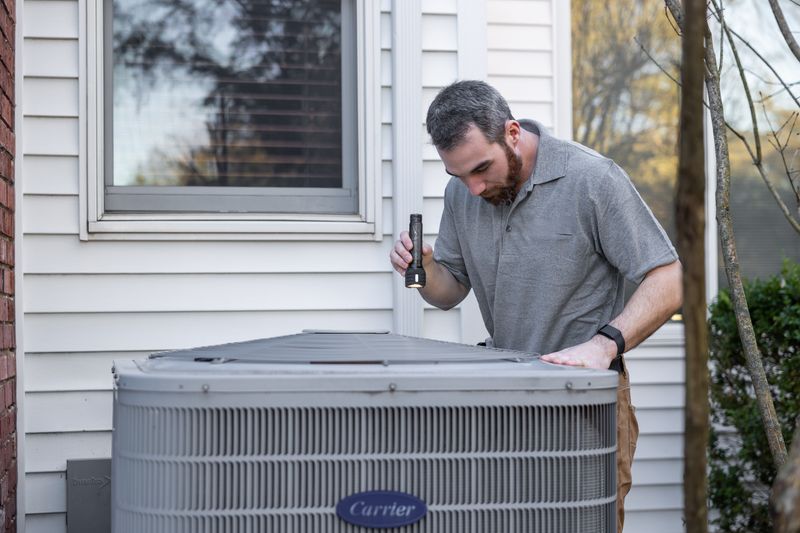
Temperature discipline only works if the equipment behind it is in good shape. A furnace with a clogged filter or an AC with low refrigerant will burn energy no matter how well you program the thermostat. Change filters every one to three months depending on usage, keep outdoor condenser units clear of leaves and debris, and schedule a professional tune-up once a year for each system.
The households that see the biggest annual reductions aren’t the ones with the fanciest thermostats — they’re the ones who treat the thermostat and the HVAC system as a single unit that needs attention from both ends.
Conclusion
Your thermostat is the quiet lever that controls more of your monthly bill than almost anything else in the house. Setting it thoughtfully — 68°F in winter when you’re awake, 78°F in summer when you’re home, deeper setbacks overnight and while you’re out — stacks up to real savings over a full year. None of it requires new equipment or a bigger budget. It just requires a schedule you’ll actually stick to.
If you’re ready to take the next step, a programmable or smart thermostat removes the daily decision-making and keeps your plan running even when life gets busy. Pair that with proper placement, seasonal recalibration, and consistent filter changes, and you’ve built a system that works for you around the clock.
The homeowners who save the most aren’t chasing a single magic number. They’re building habits around the numbers that fit their life, and letting those small daily adjustments compound into bills they’re genuinely happy to open each month.