When your heating or cooling system starts making unusual noises, struggles to maintain a comfortable temperature, or causes your energy bills to climb, you may face an important decision: should you repair the existing unit or invest in a replacement? The answer depends on more than the cost of the latest repair. Your system’s age, overall condition, energy efficiency, repair history, and ability to meet your household’s heating and cooling needs all influence which option makes the most sense.
An aging HVAC system may require increasingly frequent repairs as components wear out and performance declines. However, replacing a unit simply because it has developed a problem is not always necessary. A relatively minor fault may be resolved affordably, while repeated breakdowns, expensive component failures, uneven temperatures, and rising operating costs may indicate that replacement deserves serious consideration. Understanding these warning signs can help you avoid spending money on repairs that offer limited long-term value or replacing equipment that still has useful life remaining.
Making the right choice also means looking beyond the initial price. Compare the estimated repair cost with the expected remaining service life of your current equipment, the potential energy savings of a newer model, installation expenses, and available warranties. You should also consider refrigerant requirements, system compatibility, and the importance of choosing a qualified HVAC contractor who can assess your equipment properly.
This guide explains how to evaluate HVAC repair versus replacement, recognize the signs of a failing system, compare long-term costs, and determine when upgrading may be the more practical investment. With the right information, you can make a decision that balances comfort, reliability, energy use, and your budget.
Apply the 5,000 Rule and Benchmark System Age
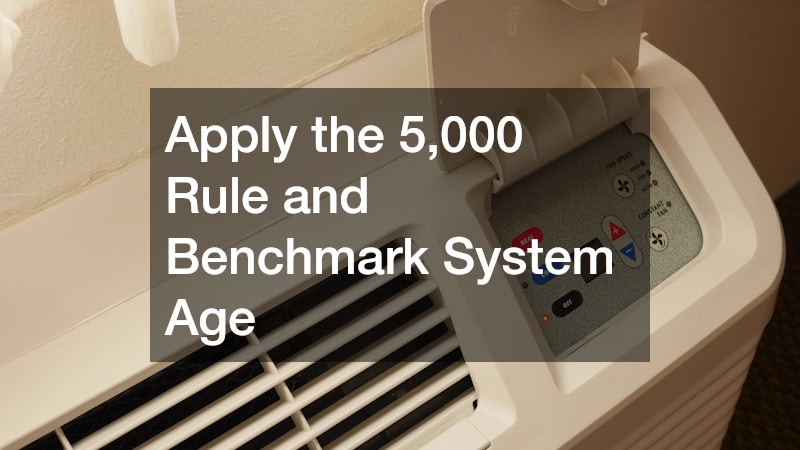
The HVAC industry relies on a simple, time-tested mathematical benchmark known as the $5,000 Rule. To apply this formula to your current system breakdown, multiply the age of your equipment (in years) by the total written repair quote (in dollars):
- If the resulting total is LESS than $5,000: A repair is generally considered the financially sound move.
- If the resulting total is GREATER than $5,000: The system has entered its terminal decline, and replacement is mathematically the smarter investment.
For example, if your air conditioner is 12 years old and needs a $500 fan motor replacement, multiplying 12 by 500 equals $6,000. Because $6,000 exceeds the $5,000 threshold, spending money on that repair is throwing good money after bad.
Average lifespan expectations vary across system types:
- Central Air Conditioners: 12 to 15 years
- Gas Furnaces: 15 to 20 years
- Heat Pumps: 10 to 12 years (due to year-round operation)
- Boilers: 15 to 20 years
Calculate your cumulative repair expenses over the last 24 months. If you have spent more than 50% of the cost of a new system on ongoing repairs over the past two years, stop patching the old unit and transition toward a replacement.
Audit Refrigerant Types and System Phase-Outs
Beyond simple mechanical wear, the type of chemical refrigerant your air conditioner or heat pump uses impacts repair costs dramatically. Older cooling systems manufactured prior to 2010 rely primarily on R-22 Freon, a hydrochlorofluorocarbon (HCFC) that has been completely phased out due to environmental regulations.
Because R-22 is no longer produced or imported, servicing a leaking R-22 system requires purchasing expensive recycled stock. Recharging an older unit with R-22 can easily cost several hundred dollars just for the gas, with no guarantee that a fresh leak won’t develop weeks later. Modern systems utilize environmentally friendly refrigerants that operate at higher efficiency and lower chemical costs.
Major component failures—such as a burnt-out compressor motor or a leaking copper evaporator coil—are terminal events for an aging unit. Before approving any major repair exceeding $1,000 on an older system, schedule a comprehensive system diagnostic with certified AC contractors. Professional technicians can perform megohmmeter electrical testing on compressor windings, check system operating pressures, and locate hidden coil leaks, helping you avoid investing in a system that is near total failure.
Decode SEER2 Ratings and Calculate Utility Waste
In recent years, the Department of Energy updated efficiency testing metrics from standard SEER to SEER2 (Seasonal Energy Efficiency Ratio 2), which measures equipment performance under real-world external static pressure conditions.
Upgrading from a dated 10 SEER system to a modern 16+ SEER2 unit can reduce your cooling electrical consumption by up to 40%. Over a single hot summer, those monthly savings add up quickly, helping to offset the upfront capital purchase price of new equipment.
Signs that your current system is failing on comfort and efficiency include:
- Constant Short-Cycling: The unit turns on and off rapidly without completing a proper cooling cycle.
- Persistent Humidity: The air feels sticky and warm inside, even when the thermostat reports a lower temperature.
- Drastic Temperature Swings: Certain rooms feel like iceboxes while upstairs bedrooms remain uncomfortably hot.
- Unexplained Utility Spikes: Your monthly electric or gas bills rise significantly compared to the same month in previous years without rate changes.
To evaluate potential energy savings accurately, request a thorough seasonal performance audit from a qualified local HVAC contractor. Technicians can measure supply and return temperature splits, evaluate electrical amp draws, and calculate your exact return on investment (ROI) for upgrading to a modern variable-speed condenser.
Solve Hard-To-Cool Spaces with Inverter Heat Pump Technology
Traditional single-stage HVAC systems operate like a light switch: they are either running at 100% full capacity or completely off. This creates dramatic indoor temperature swings, heavy electrical starting currents, and poor humidity extraction.
Modern inverter-driven heat pumps, by contrast, operate like a gas pedal. They continuously modulate their operating speed in tiny increments to match the real-time thermal load of your property, maintaining consistent temperatures while using a fraction of the electricity.
For challenging spaces—such as newly constructed sunrooms, converted attics, detached garages, or stubborn second-floor bedrooms—expanding existing sheet metal ductwork is often physically impossible or cost-prohibitive. In these scenarios, homeowners can solve comfort issues by installing high-efficiency ductless mini split heat pumps. These compact systems deliver targeted heating and cooling directly to individual zones without requiring duct installation, offering quiet operation and high SEER2 efficiency ratings.
Audit Air Distribution Systems for Hidden Thermal Loss
According to ENERGY STAR data, the average American home loses 20% to 30% of its conditioned air through leaks, loose joints, and uninsulated duct runs inside attics, crawlspaces, and wall cavities.
Before investing in a new equipment installation, inspect your air distribution network for these common failure points:
- Crushed or Twisted Flex Ducts: Kinks in flexible ducting choke off airflow, increasing static pressure and straining the indoor blower motor.
- Disconnected Supply Joints: Conditioned air vents directly into unconditioned attic spaces or crawlspaces, throwing away your utility dollars.
- Degraded Internal Duct Lining: Fiberglass insulation inside older ductwork degrades over time, releasing airborne particulates into your living spaces and clogging fresh cooling coils.
- Unsealed Return Boxes: Negative pressure draws dusty, humid air from attics or basements directly into your HVAC system bypass loops.
Have your service technicians perform a duct leakage pressure test alongside equipment evaluation to determine if duct sealing, insulation, or partial replacement is necessary before installing new heating and cooling units.
Ensure Proper Equipment Sizing Through Precise Load Calculations
A common mistake made during residential equipment replacement is simply matching the tonnage of the old unit. Building envelopes change over time; upgraded insulation, new window installations, and exterior sealing all alter your home’s thermal needs.
An oversized system will cool the air so fast that it satisfies the thermostat before running long enough to pull humidity out of the air, leaving your home feeling cold and clammy. Conversely, an undersized system will run continuously on hot days, failing to reach the set temperature while causing excessive wear on mechanical components.
Insist on working exclusively with certified HVAC installers who calculate cooling loads using official ACCA Manual J protocol. Manual J calculations analyze square footage, ceiling heights, window orientations, insulation values, and local climate data to size equipment accurately down to the precise BTU.
To get the best installation experience and pricing, schedule full AC installations during off-peak shoulder seasons—such as early spring or mid-autumn—when technicians have more time, and manufacturers offer attractive rebate incentives.
Evaluate Rooftop Package Units and Commercial Climate Assets
Commercial properties primarily rely on packaged rooftop units (RTUs) that house heating, cooling, and air-handling components inside a single weather-tight cabinet. Because these assets are exposed to harsh weather conditions 24/7, their expected operational lifespan is generally capped at 12 to 15 years.
Managing commercial HVAC installations and assets effectively requires moving from emergency reactive repairs to planned, scheduled replacements. When an RTU is under 10 years old, focus on standard preventive maintenance like belt replacements, coil washing, and economizer calibrations. Once a unit crosses the 12-year mark, begin planning for calculated replacement, accounting for crane and rigging permits, roof curb adapter sizing, and static duct balancing.
Key factors to consider when evaluating commercial replacement include:
- Business Downtime Costs: Will an unexpected system failure force a temporary shutdown of your retail store, restaurant, or office floor?
- Structural Roof Load Limits: Modern replacement units may have different physical dimensions or weights, requiring structural roof curb adapters.
- Tenant Lease Obligations: Who is financially responsible for capital equipment replacements versus ongoing routine maintenance under triple-net (NNN) lease structures?
Commercial property managers should form long-term partnerships with established local HVAC companies to develop a phased capital equipment replacement roadmap, avoiding emergency crane rentals and business disruptions.
Upgrade Commercial Air Distribution and Ventilation Standards
Commercial climate systems must manage complex fresh-air intake requirements mandated by local building codes and ASHRAE 62.1 standards. Bringing fresh outdoor air into a commercial space requires precise balancing to manage humidity levels and maintain positive building pressure. Without proper ventilation management, unconditioned outdoor air can easily introduce excess moisture, resulting in indoor air quality issues and structural mold growth.
Advanced economizers and motorized dampers automatically adjust intake volumes to optimize energy efficiency while keeping fresh air circulating continuously. In large commercial footprints, aging sheet metal distribution networks often develop static pressure bottlenecks, causing noisy diffusers, uneven zone temperatures, and strained fan motors. When planning a commercial rooftop replacement, engage specialized contractors who offer commercial duct work services.
Professional sheet metal specialists can re-engineer, seal, and balance heavy-gauge supply and return mains, ensuring the new rooftop unit delivers correct cubic feet per minute (CFM) airflow across all tenant zones. Additionally, protect your business operations by vetting providers carefully. Select a fully licensed, insured, and experienced HVAC company that offers 24/7 priority emergency Service Level Agreements (SLAs), guaranteeing rapid technician response times if a commercial breakdown occurs.
Verify Credentials, Warranties, and Installation Standards
When vetting contractors for a major home investment, look beyond generic online star ratings. Conduct a rigorous credential audit to ensure your investment is fully protected.
- NATE Certification: Verify that field technicians hold active certifications from North American Technician Excellence (NATE), the industry gold standard for mechanical competence.
- Licensing and Insurance: Ensure the contractor holds an active state mechanical license and carries both general liability and workers’ compensation insurance.
- Local Permitting: Avoid any contractor who suggests skipping local building permits. Permits ensure an independent municipal inspector verifies electrical, gas line, and safety clearances.
- Warranty Coverage: Clarify the difference between the manufacturer’s parts warranty (typically 10 years upon registration) and the contractor’s labor warranty (which can range from 1 to 10 years).
Compare detailed, written quotes from multiple certified contractors offering comprehensive HVAC services. Ensure each quote clearly specifies the exact model numbers, SEER2 ratings, electrical disconnect upgrades, line-set replacements, permits, and labor warranty coverage included in the scope of work.
Protect Your New Investment with Preventive Service Agreements

Once your new heating and cooling system is up and running, your responsibility shifts to protecting that investment through routine, disciplined maintenance.
Neglecting regular maintenance voids manufacturer parts warranties, lowers operating efficiency, and allows minor mechanical issues to cause catastrophic damage.
Key elements of a comprehensive preventive maintenance visit include:
- Electrical Component Testing: Checking capacitor microfarads, tightening electrical terminal connections, and measuring motor operating amperages.
- Condensate Line Clearing: Flushing drain lines and testing emergency float switches to prevent water overflow damage to your home.
- Coil Cleaning: Washing outdoor condenser coils to remove dirt, grass clippings, and debris that restrict heat transfer.
- Blower Assembly Inspection: Cleaning static dust off blower wheel blades to maintain proper airflow volumes.
Sign a comprehensive annual preventive maintenance agreement with your installer immediately upon installation. Routine spring and autumn tune-ups keep your equipment running at peak SEER2 efficiency, preserve factory warranty protections, and give you priority service scheduling during heatwaves and freezing winter weather.
Make the Right HVAC Decision for Long-Term Comfort
Choosing whether to repair or replace your HVAC system comes down to balancing immediate costs with long-term performance, reliability, and energy efficiency. Consider your equipment’s age, repair history, operating costs, and overall condition before committing to either option. A qualified HVAC contractor can help you compare estimates, identify underlying problems, and determine whether a replacement is a worthwhile investment.
Whichever option you choose, regular preventive maintenance is essential to protecting your system and avoiding unexpected breakdowns. With careful planning, professional guidance, and timely service, you can maintain a comfortable indoor environment while making a decision that fits your budget and long-term needs.