In an era where household expenses continue to rise, homeowners are looking for practical ways to control costs without sacrificing comfort. One often overlooked opportunity for savings lies in the proper maintenance and timely repair of your heating, ventilation, and air conditioning (HVAC) system. When minor issues are addressed early, they are far less likely to escalate into major, expensive failures. Timely HVAC repair not only protects your system’s performance but also delivers long-term financial benefits by improving efficiency, preventing emergency repairs, and extending equipment lifespan.
How Does an Efficient HVAC System Save Money?
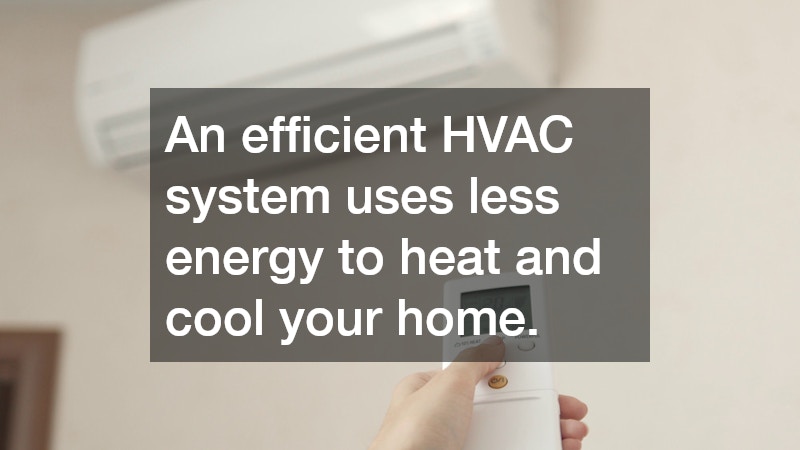
An efficient HVAC system uses less energy to heat and cool your home, which directly reduces monthly utility costs. When components such as filters, motors, or thermostats are malfunctioning, the system must work harder to maintain desired temperatures.
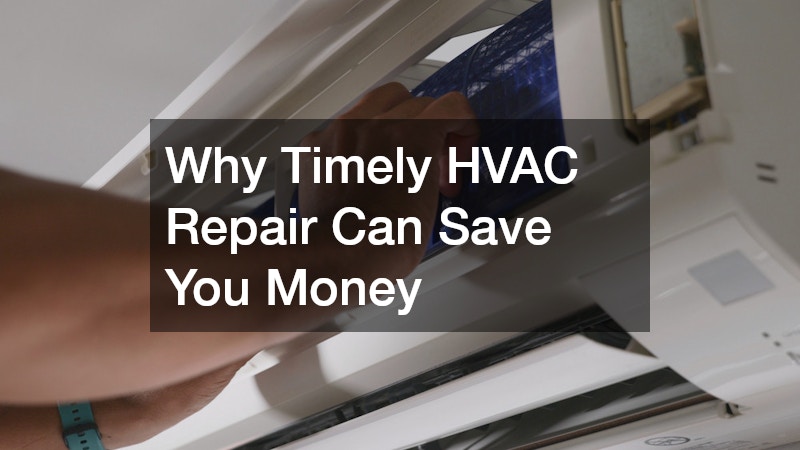
This increased workload results in higher energy consumption and inflated bills. Timely HVAC repair restores system efficiency by correcting airflow issues, sealing leaks, and ensuring components operate as intended. Even small repairs, such as fixing a faulty capacitor or cleaning a clogged coil, can have a measurable impact on energy usage. Over the course of a year, these efficiency gains often translate into substantial savings.
Addressing HVAC problems early is almost always less expensive than waiting until a complete breakdown occurs. Minor issues such as worn belts, loose electrical connections, or refrigerant imbalances can typically be repaired quickly and affordably. When left unattended, these same issues may lead to compressor failure, motor burnout, or system shutdown. Preventative repairs help homeowners avoid costly emergency service calls, which often come with premium pricing due to after-hours labor or urgent scheduling. By investing in timely repairs and routine maintenance, you reduce the likelihood of sudden, high-cost failures and maintain greater control over your household budget.
HVAC systems represent a significant financial investment, and replacing one prematurely can strain even well-planned budgets. Timely repairs play a key role in extending the life of your system by reducing unnecessary stress on critical components. When parts are allowed to operate in a compromised state, they accelerate wear throughout the system. Regular repairs ensure that each component functions efficiently, allowing the system to operate within its intended parameters. This proactive approach can add years to your HVAC system’s lifespan, delaying the need for a full replacement and maximizing the return on your original investment.
What Are the Common Signs of HVAC Problems?
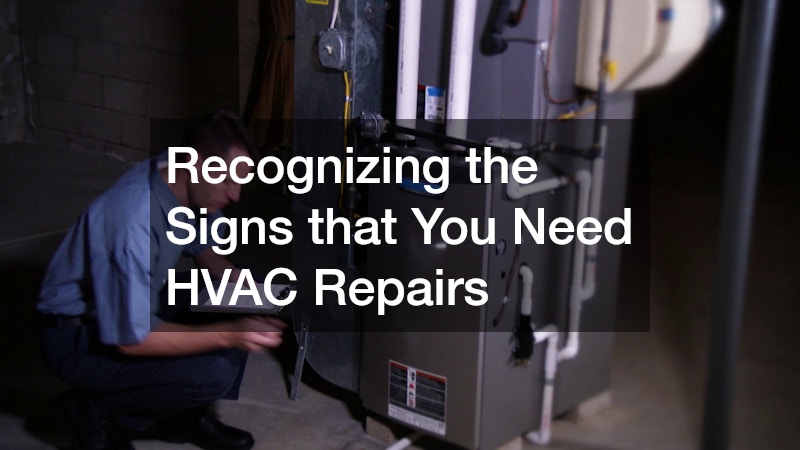
Strange or unfamiliar sounds coming from your HVAC system should never be ignored. Rattling, grinding, banging, or squealing noises often indicate mechanical issues such as loose components, worn bearings, or debris inside the unit. While these problems may seem minor at first, they can quickly lead to more serious damage if left unresolved. Promptly addressing unusual noises allows technicians to identify and correct issues before they cause cascading failures. Early intervention helps avoid extensive repairs and prevents the system from operating inefficiently.
If certain rooms in your home feel significantly warmer or cooler than others, your HVAC system may be struggling to distribute air properly. Inconsistent temperature control can be caused by ductwork issues, failing sensors, or aging components that no longer perform as expected. These inefficiencies often lead homeowners to adjust thermostats frequently, increasing energy usage in the process. Timely repairs restore balanced airflow and accurate temperature control, improving comfort while reducing unnecessary energy consumption.
A sudden or unexplained increase in energy bills is one of the most common indicators of HVAC trouble. When a system loses efficiency, it consumes more energy to achieve the same level of comfort. Homeowners may not immediately notice performance issues, but the financial impact becomes apparent through higher utility costs. Addressing the underlying causes of reduced efficiency through timely HVAC repair can quickly reverse this trend. In many cases, the cost of repair is offset by the energy savings achieved in the months that follow.
What Should You Look for in an HVAC Repair Service?
Selecting the right HVAC repair service is essential to protecting your investment. Certified technicians have the training and credentials required to diagnose and repair a wide range of HVAC issues safely and effectively. Experience also matters, as seasoned professionals are more likely to identify problems accurately and recommend cost-effective solutions. Working with qualified technicians reduces the risk of misdiagnosis, improper repairs, and repeat service calls, all of which can increase costs over time.
Transparent pricing is a key factor in managing HVAC repair expenses. Reputable repair services provide clear estimates, explain recommended repairs, and outline costs upfront. This transparency helps homeowners make informed decisions and avoid unexpected charges. Avoid providers that are vague about pricing or push unnecessary services. Clear communication and honest pricing are indicators of a trustworthy HVAC repair company.
Customer reviews and testimonials offer valuable insight into a company’s reliability and service quality. Consistent positive feedback often reflects fair pricing, professional workmanship, and strong customer service. Taking time to research reviews can help you avoid costly mistakes and select a provider that delivers long-term value.
Timely HVAC repair is more than a matter of comfort; it is a sound financial strategy. By addressing issues as soon as they arise, homeowners can reduce energy bills, avoid expensive emergency repairs, and extend the life of their HVAC system. Proactive maintenance and prompt repairs help ensure consistent performance while protecting your budget from unexpected expenses. When it comes to HVAC systems, acting early is one of the most effective ways to save money over time.