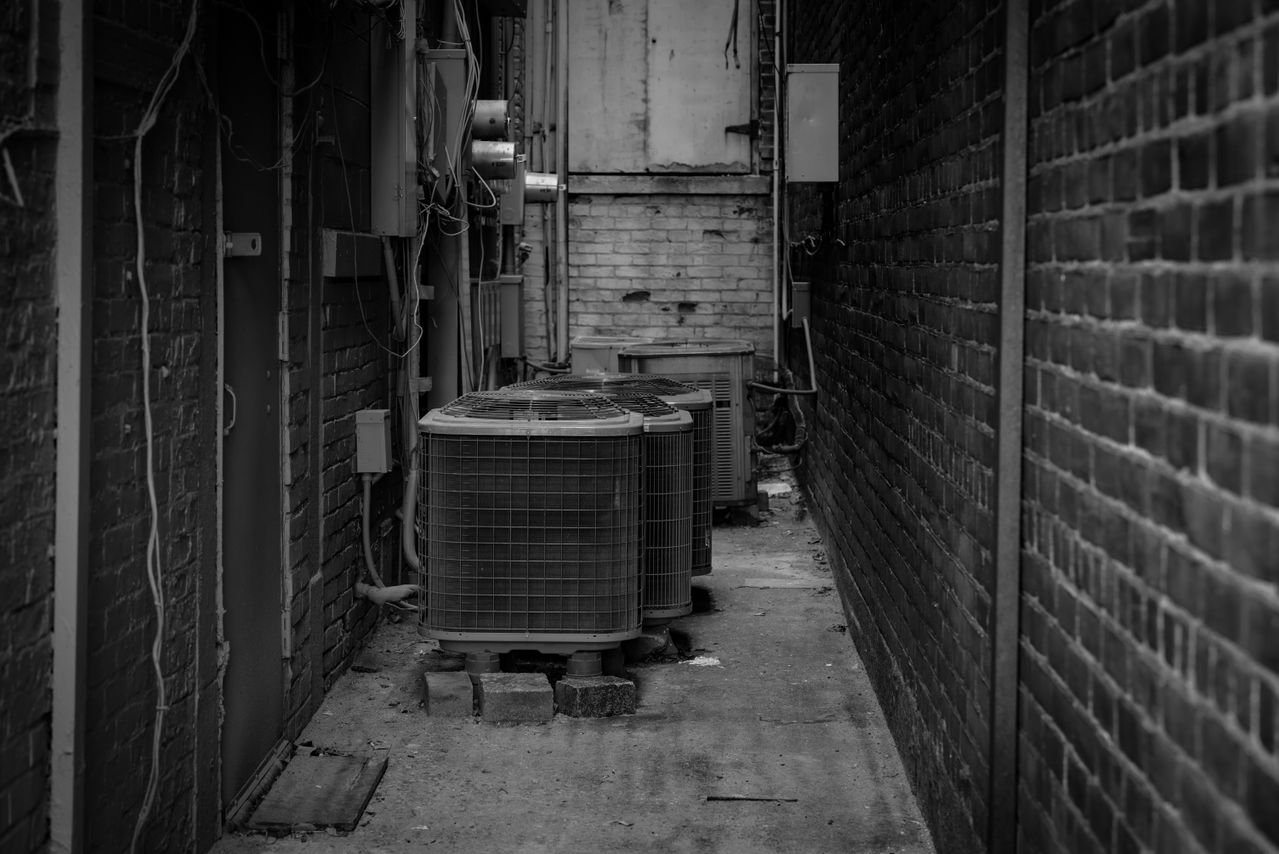
Your home’s heating and cooling system is a lot like a car engine. When it’s running well, you barely notice it. You hear a soft hum, feel the air move, and go about your day. But the moment it starts making noises it didn’t make yesterday, your brain goes on high alert. That’s a good instinct. Unusual sounds are often the first clue that something inside the unit needs attention.
The tricky part is figuring out which sounds are harmless and which ones are warning signs. A faint click when the system kicks on is normal. A loud bang, a grinding whine, or a constant hissing? Not so much. Each noise usually points to a specific part of the system, and learning the basics can help you decide whether you can handle it yourself or need to call in a pro.
This beginner-friendly guide walks you through the most common sounds your HVAC equipment might make, what’s likely causing each one, and what you should do next. No technical background needed. By the end, you’ll feel a lot more confident when something starts rattling in the basement at 2 a.m.
How Your HVAC System Actually Works
Before diving into noises, it helps to understand what’s inside the box. An HVAC system is really a team of parts working together: a compressor, a blower motor, a fan, refrigerant lines, ductwork, and an electrical system that controls it all. When everything is balanced, the system cycles on, moves air through your home, and cycles off with minimal fuss.
Each part has its own normal sound. The blower motor produces a steady whoosh. The compressor outside gives off a low hum. The ducts might tick slightly as they expand or contract with temperature changes. These are all background sounds you probably tune out without thinking.
Problems start when one of those parts wears down, loosens, or breaks. Because each component has a distinct role, the sound it makes when something goes wrong tends to be distinct too. That’s actually good news for homeowners, because it means you can often narrow down the issue just by listening carefully.
Banging, Clanking, and Thumping Sounds
If your system sounds like someone is knocking on a pipe with a wrench, pay attention. Banging noises usually mean a part has come loose inside the unit. The most common culprit is a disconnected or broken component inside the compressor, such as a piston pin, connecting rod, or crankshaft. When these parts fail, you often need a full compressor replacement.
Clanking is similar but typically means something is still attached but out of balance. A fan blade that’s bent, an unbalanced indoor blower, or a motor mount that’s giving out can all produce that metallic clanging. Thumping tends to come from the blower assembly and often signals a worn-out motor bearing or a fan blade that’s hitting something it shouldn’t.
Here’s what these heavier sounds often point to:
- A failed compressor part that needs professional attention
- A loose or unbalanced fan blade rubbing against the housing
- Worn blower motor bearings
- Loose mounting hardware allowing parts to shift during operation
- Debris that’s fallen into the outdoor unit
If you hear any of these, shut the system off. Running it with loose parts inside can turn a repair into a full replacement very quickly.
Hissing, Bubbling, and Whistling Noises
A quiet hiss near your vents might just be air moving through the ductwork. But a persistent hiss near the indoor or outdoor unit often means something more serious: a refrigerant leak. Refrigerant is the chemical that makes your air conditioner cool the air, and when it escapes under pressure, it produces a sharp hissing sound. A bubbling or gurgling noise can also indicate a refrigerant leak, since air pockets form in the lines when the chemical drops below normal levels.
Whistling is usually a different problem. It typically points to an airflow issue, such as a clogged filter, a blocked return vent, or a gap in the ductwork that’s pulling air in where it shouldn’t. Whistling is less urgent than hissing, but ignoring it can strain the blower and lead to bigger problems down the road.
When to Act Fast
Refrigerant exposure is a health concern, and a leaking system can damage the compressor if it keeps running. If you suspect a leak, turn off the unit and call a licensed technician. Catching these issues early matters more than most homeowners realize. Many system repairs can be traced back to maintenance that was skipped or put off. A hiss today can easily become a dead compressor next summer.
Squealing, Screeching, and Grinding Sounds
High-pitched noises tend to come from moving parts that need lubrication or replacement. Squealing often points to a worn fan belt or a motor bearing that’s drying out. Older units use belts to connect the motor to the blower, and over time those belts stretch, crack, or slip. Newer direct-drive systems don’t have belts, but they can still squeal when a bearing starts to fail.
Screeching is usually more urgent. It often means the compressor is under extreme pressure, which can happen when a capacitor is going bad or when internal components are grinding against each other. Grinding itself is almost always a sign that metal is touching metal somewhere it shouldn’t, typically in the blower motor or compressor.
Common sources of these sharp sounds include:
- A slipping or frayed fan belt in older units
- Motor bearings that need lubrication or replacement
- A failing blower wheel
- Compressor pressure problems linked to electrical components
- Dry or damaged pulleys
Capacitor issues are more common than you might think. A failing capacitor is one of the most frequent reasons air conditioners break down during peak summer heat, and it is a relatively modest repair when caught early.
How to Troubleshoot and Fix Common Noises at Home
Not every sound requires a service call. Some of the most common HVAC noises come from issues a homeowner can handle in under an hour. The key is knowing which problems are safe to tackle yourself and which ones need a licensed technician.
Start with the easy stuff. A dirty air filter can cause whistling, strained motor sounds, and even rattling as the blower works harder than it should. Replacing a filter costs a few dollars and takes about five minutes. Loose screws on access panels are another easy fix; a rattle that appears when the system kicks on is often just vibration moving a panel that wasn’t fully tightened. Clearing debris from around the outdoor unit can also silence a surprising number of noises, since leaves, twigs, and even small animals can get caught in the fan.
A Simple Homeowner Troubleshooting Checklist
Before calling for service, run through this short list to see if you can solve the issue yourself:
- Replace or clean the air filter if it looks dirty
- Tighten any visible screws on access panels and vent covers
- Clear leaves, grass, and debris from the outdoor condenser
- Check that all registers and return vents are open and unblocked
- Listen to confirm whether the noise is coming from the indoor or outdoor unit
If the sound persists after these steps, it’s time to bring in a professional. You can also fix minor thermostat issues yourself by checking the batteries and confirming the settings haven’t been bumped. Beyond that, anything involving refrigerant, electrical components, or the compressor should be left to a trained technician.
Preventive Habits That Keep Noises Away
The best way to deal with strange HVAC sounds is to prevent them in the first place. Regular upkeep catches small issues before they become loud, expensive problems. Most manufacturers recommend at least one professional tune-up per year, with twice-yearly service for split systems and heat pumps. A standard tune-up typically costs a fraction of what a major repair does.
A practical seasonal routine makes a real difference, and resources like What Does HVAC Maintenance Include: A Seasonal Checklist for Homeowners can walk you through exactly what to check and when. Beyond professional service, there are simple habits that keep your system quiet and running smoothly:
- Change filters every one to three months depending on use
- Keep the area around the outdoor unit clear of plants, debris, and clutter
- Schedule a professional inspection in spring and again in fall
- Listen to your system weekly so you notice small changes early
- Keep vents and registers free of furniture and rugs
- Have ductwork inspected every few years for leaks or loose connections
Paying attention to your system becomes second nature once you get in the habit. A homeowner who knows what their unit normally sounds like will catch a new rattle or whine within days, while someone who tunes it out entirely might not notice until the system quits altogether.
When a Noise Means You Should Call a Pro Right Away
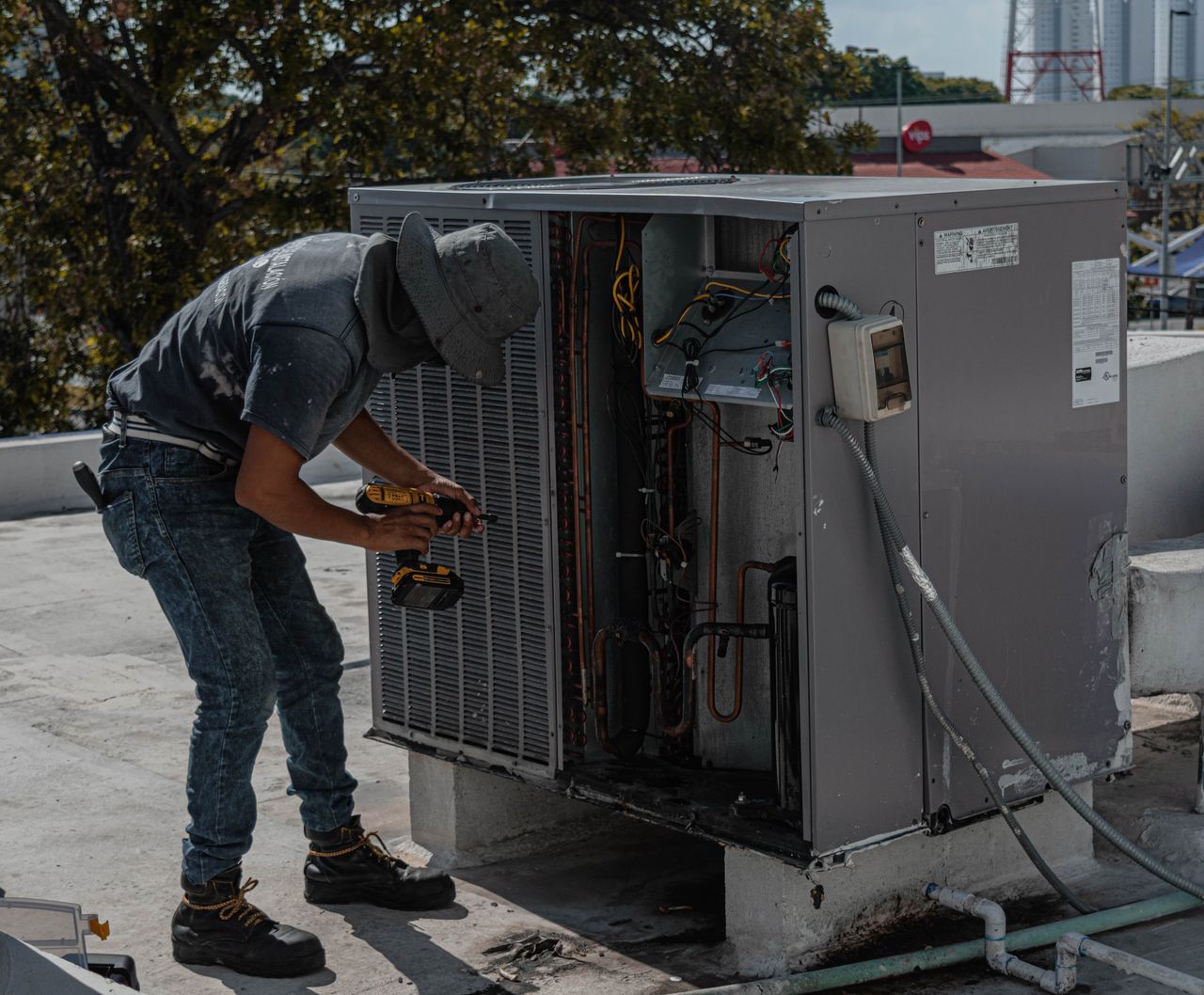
Some sounds are urgent enough that you shouldn’t wait until morning or try anything on your own. Electrical buzzing is near the top of that list. A loud buzz coming from the outdoor unit can mean a failing contactor, loose wiring, or a compressor that’s struggling to start. Electrical problems can lead to fires, so this isn’t the kind of thing to put off.
Repeated clicking is another red flag. A single click when the system starts is normal, but a steady clicking that keeps going usually means a relay or control board is failing. If the clicking is paired with the system not actually turning on, the issue is almost certainly electrical.
Watch for these warning signs that call for immediate professional help:
- Loud buzzing from the outdoor unit
- Persistent clicking without the system starting
- A burning or electrical smell paired with any unusual sound
- Screeching that doesn’t stop after the first few seconds of startup
- Any noise accompanied by the breaker tripping
Shutting the system down and calling a technician is almost always cheaper than letting a failing part damage something more expensive. A bad capacitor is a modest repair. A compressor that burned out because of a bad capacitor is a major one.
Keeping a Simple Noise Log
One habit that pays off more than most homeowners expect is keeping a short log of any unusual sounds. You don’t need anything fancy. A note on your phone works fine. Jot down when the noise started, what it sounded like, which unit it came from, and whether it happened at startup, during operation, or at shutdown.
This small record can save a technician significant diagnostic time, which saves you money on the service call. It also helps you spot patterns. A rattle that only shows up on humid days or a hum that gets louder as the season progresses can point to very different root causes, and those details are easy to forget by the time someone arrives to take a look.
If you have multiple systems, such as a furnace and a separate air conditioner, note which one is making the sound. Homeowners often assume any noise is coming from the main unit when it’s actually the ductwork or a secondary component. Being specific helps everyone.
Conclusion
Strange noises from your HVAC system are rarely random. Each sound tells a story about what’s happening inside the equipment, from a simple loose screw to a serious compressor issue. The more familiar you become with your system’s normal operating sounds, the quicker you’ll spot a change worth investigating. That early awareness is often the difference between a minor repair and a major replacement.
Most homeowners can handle the basics on their own: swapping filters, tightening panels, clearing debris, and checking vents. Beyond that, the smartest move is to trust a licensed technician with anything involving refrigerant, electrical parts, or the compressor itself. Trying to force a complex repair without the right training usually costs more in the long run than simply making the call.
Your heating and cooling system works hard all year, and it tends to give you plenty of warning before it fails. Listening is half the battle. Pair that attention with a steady maintenance routine, and you’ll avoid most of the unexpected breakdowns that catch other homeowners off guard, keeping your home quiet, comfortable, and running smoothly through every season.