
For residential property owners overseeing year-round house upkeep and exterior renovations, managing a property requires balancing structural preservation with proactive outdoor improvements. Every home functions as an interconnected system where each component influences the next. What happens along the roofline directly affects the foundation, just as the slope of the lawn impacts basement dryness, driveway stability, and outdoor living areas. When owners view property maintenance as an integrated, long-term discipline rather than a series of isolated emergencies, they protect structural longevity, prevent compounded repair expenses, and enhance daily living enjoyment.
A durable structure begins with the roof, which serves as the primary barrier against driving rain, heavy winter snow loads, and intense summer ultraviolet radiation. Over years of exposure, sunlight oxidizes asphalt shingles, while freeze-thaw cycles loosen metal flashing around chimneys, plumbing vents, and roof valleys. Minor shingle displacement or hidden flashing gaps allow wind-driven rain to penetrate roof sheathing, eventually rotting timber trusses, soaking attic insulation, and staining ceiling drywall. Securing a reliable roof repair service at the first sign of granule shedding, curling tabs, or localized ceiling discoloration prevents isolated damage from escalating into an expensive whole-roof replacement. Experienced roofers utilize safety harnesses, specialized moisture meters, and structural knowledge to resolve hidden water pathways before moisture compromises framing integrity.
Plumbing Systems and Interior Leak Prevention
Water control inside living quarters demands continuous attention because pressurized pipes and drainage networks operate largely out of sight behind walls, ceilings, and subflooring. Minor connection leaks at shutoff valves, corroded supply lines behind washing machines, or hairline fractures in aging copper joints can silently deposit moisture into wall cavities for months before surface indications emerge. Saturated structural lumber loses load-bearing capacity, drywall softens, and toxic mold colonies rapidly proliferate throughout enclosed spaces.
When unexpected pipe emergencies arise, property owners frequently search online for locallocal plumbers to obtain immediate diagnostic support and repair pressurized supply lines before water ruins finished living areas. Licensed technicians carry acoustic listening devices and inline video cameras capable of pinpointing subterranean breaks and slab leaks without unnecessary drywall demolition. Beyond addressing sudden pipe failures, certified plumbing professionals test household water pressure, verify that pressure-reducing valves keep line pressure below seventy pounds per square inch, and replace aged rubber supply hoses with braided stainless steel lines to eliminate catastrophic indoor flooding risks.
Structural Defense Against Wood-Destroying Organisms
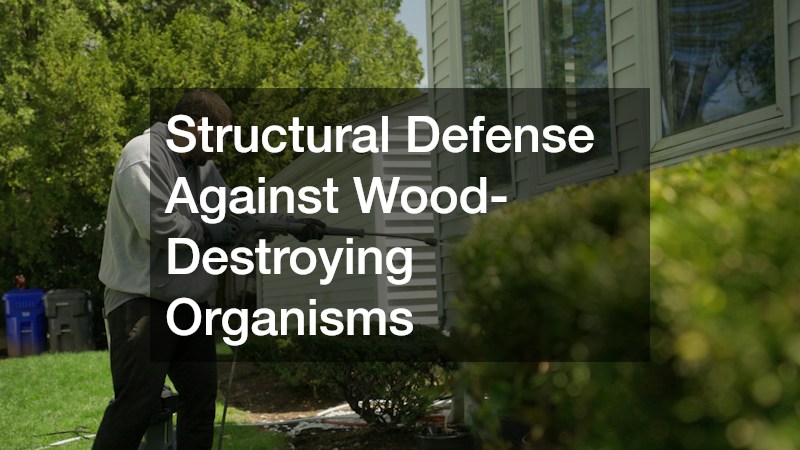
Beyond moisture infiltration, residential structures face persistent threats from biological invaders that exploit microscopic gaps between foundation walls and framing members. Subterranean termites construct sheltered mud tubes over concrete footings to feed on floor joists and sill plates, frequently hollowing out critical load-bearing lumber from the inside out while leaving outer paint finishes completely untouched. Carpenter ants carve extensive nesting galleries through damp wall studs, while mice and rats gnaw through protective electrical wire jacketing, creating severe fire hazards inside hidden cavities.
Implementing a consistent perimeter pest control program provides a durable barrier against creeping insects, destructive wood borers, and invasive rodents. Qualified pest technicians inspect perimeter foundations, crawlspaces, and dark attic corners to identify entry pathways, droppings, and subterranean termite tunnels before severe damage occurs. Modern treatment methods utilize targeted exterior barrier applications, exterior baiting stations, and thorough mechanical exclusion tactics, such as sealing utility penetration points with copper mesh and elastomeric sealants. Eliminating pest colonies along the exterior boundary keeps structural wood sound without filling indoor air spaces with harsh chemical sprays.
Turf Management and Soil Vitality
A lush, well-kept lawn offers benefits that extend far beyond aesthetic appeal. A thick turf carpet acts as an environmental sponge, catching heavy rainfall, preventing topsoil erosion, and filtering runoff before groundwater reaches municipal storm drains. Furthermore, healthy grass absorbs solar heat, significantly lowering ambient temperatures around patios and exterior walls during sweltering summer afternoons. However, maintaining deep turf roots in compacted residential soils requires deliberate seasonal attention.
Consistent lawn maintenance provides the foundation for thick, drought-resistant grass that naturally chokes out aggressive crabgrass, dandelions, and broadleaf weeds. Mowing frequently with sharpened blades at proper heights ensures that grass blades retain adequate surface area for photosynthesis while keeping weed seeds from receiving sunlight. Performing core aeration during early autumn relieves compacted soil strata, allowing oxygen, water, and organic fertilizer to reach the root zone. When paired with seasonal overseeding and compost topdressing, regular lawn maintenance produces a resilient lawn capable of withstanding heavy foot traffic and scorching summer droughts without requiring continuous chemical intervention.
Irrigation Efficiency and Moisture Regulation
Keeping extensive turf areas and ornamental planting beds hydrated during dry months requires efficient irrigation management. Hand watering with garden hoses or moving portable sprinklers around the yard frequently results in significant water waste from overspray and midday evaporation. Modern in-ground irrigation networks deliver automated, measured moisture directly to specific planting zones, but these complex assemblies require routine maintenance to prevent mechanical failures and water waste.
Prompt sprinkler repair keeps irrigation systems operating at peak hydraulic efficiency while preventing sky-high water bills. Over time, mower impacts shatter pop-up spray heads, soil particles clog delicate misting nozzles, and underground root growth pinches lateral distribution pipes. Certified irrigation specialists systematically inspect each valve zone, re-align tilted heads, clear sediment from screens, and replace ruptured distribution pipes. Installing smart weather-based controllers and soil moisture sensors modernizes older systems, ensuring that sprinkler repair and ongoing controller adjustments eliminate irrigation cycles during wet weather and prevent water from pooling against building foundations.
Site Planning and Landscape Architecture
Crafting a harmonious outdoor setting requires far more than purchasing attractive flowering shrubs at a regional nursery. Effective outdoor development requires comprehensive site planning that evaluates property topography, seasonal sunlight angles, soil composition, and prevailing winds. Installing trees and ornamental plantings without understanding their mature canopy dimensions often results in root damage to sewer pipes, choked drainage swales, and dense foliage that blocks natural light from home windows.
Enlisting professional landscape design services ensures that residential grounds develop into functional, balanced outdoor spaces that complement home architecture. Skilled designers create master site layouts that seamlessly blend evergreen foundation plantings, seasonal perennial borders, and native drought-tolerant specimens that require minimal supplemental watering. High-caliber landscape design services balance visual texture, plant heights, and seasonal blooming rhythms, creating four-season visual interest across the yard. Furthermore, thoughtful landscape planning establishes functional circulation routes, defines separate zones for children, pets, and outdoor entertainment, and positions deciduous shade trees to lower summer air conditioning costs.
Stone Patios, Walkways, and Outdoor Living Foundations

While botanical elements lend seasonal color and organic softness to outdoor spaces, paved stone structures provide permanent functional living areas for relaxation and dining. Concrete pavers, natural flagstone, and bluestone patios create durable exterior rooms that withstand extreme temperature swings and heavy foot traffic. Paved pathways connect driveways, garden beds, and entry doors, protecting lawn turf from compaction and allowing safe transit through the property during rainy weather.
Partnering with an experienced hardscaping contractor guarantees that paved surfaces remain level and structurally sound over decades of freeze-thaw cycles. Quality hardscape construction depends entirely on subsurface preparation that remains hidden beneath the final stone layer. A reputable hardscaping contractor excavates native topsoil down to stable subgrade, lays geotextile fabric to prevent subsoil migration, and compacts layered crushed gravel bases to ninety-eight percent structural density. Applying tight edge restraints, establishing a gentle one-percent drainage slope away from foundations, and sweeping polymeric sand into joint spaces prevents weeds, insect burrows, and shifting pavers.
Grade Stabilization and Soil Retention Engineering
Properties situated on sloping topography often face severe soil erosion, unstable embankments, and unusable yard inclines. Heavy rains wash away fertile topsoil, cut unsightly erosion channels across the lawn, and direct hazardous torrents toward basement walls. Constructing tiered terraces transforms steep inclines into functional level plateaus for gardens, lawns, or outdoor living rooms, but holding back thousands of pounds of wet earth requires rigorous structural engineering.
Engaging a licensed retaining wall contractor is essential whenever vertical grade transitions exceed three feet in height. Earth retention structures must withstand massive lateral earth pressures that multiply exponentially as backfill soil absorbs rainwater. An expert retaining wall contractor establishes a solid buried base trench of compacted angular gravel, stacks heavy interlocking modular blocks or natural boulders, and layers high-tensile geogrid reinforcement fabric deep into the soil bank behind the wall face. Crucially, contractors install perforated drainage pipes wrapped in filter fabric and surround them with clean crushed stone backfill, safely venting trapped hydrostatic water pressure before it causes retaining walls to bow, tilt, or fail.
Custom Carpentry and Elevated Deck Construction

Elevated decks serve as natural extensions of indoor living spaces, offering inviting outdoor settings for weekend barbecues, morning coffee, and evening social gatherings. Whether built from traditional pressure-treated yellow pine, rich Western red cedar, or modern low-maintenance composite materials, deck platforms must bear substantial weight loads while enduring relentless year-round weather exposure. Every connection point, from ledger attachments to railing posts, plays a vital role in ensuring long-term structural safety.
Working with an expert deck builder ensures that custom deck framing adheres strictly to local building codes and modern safety engineering standards. Professional deck contractors dig cylindrical footing piers deep beneath the municipal frost line, filling them with solid poured concrete to prevent frost heave from dislodging structural support posts. A knowledgeable deck builder installs corrosion-resistant structural fasteners, heavy-gauge joist hangers, and comprehensive ledger flashing systems that prevent trapped moisture from rotting the building band joist. From smooth picture-frame decking borders and hidden fasteners to sturdy code-compliant handrails and low-voltage step lights, experienced builders deliver safe, beautiful outdoor living spaces.
Arboriculture, Canopy Care, and Tree Management
Towering shade trees enhance residential landscapes by offering cool summer shade, windbreak protection, and undeniable natural majesty. However, aging trees, structural branch decay, and storm-weakened trunks can present severe hazards to nearby homes, vehicles, and overhead power distribution cables. Deep internal trunk rot and fungal bracket growth often indicate compromised wood that may cause a massive tree to topple unexpectedly during high-wind storms or saturated soil conditions.
When large trees pose immediate structural hazards or outgrow restricted yard spaces, safe tree removal requires specialized arborist intervention. Certified tree crews use sectional rigging techniques, heavy-duty lowering ropes, bucket trucks, and mobile cranes to dismantle heavy canopy limbs and trunk sections piece by piece. This controlled dismantling process ensures that enormous tree trunks land safely without impacting roofs, perimeter fencing, or delicate landscaping beneath. Following successful tree removal, technicians grind stubborn root stumps deep below ground level, leaving clean wood chips and clearing valuable yard acreage for fresh turf, garden beds, or patio construction.
Coordinating Multi-Trade Exterior Renovations
Executing extensive home improvements requires thoughtful logistical planning across multiple specialized trades. When property owners combine structural updates with exterior landscaping, the sequence of construction plays a decisive role in preventing job-site damage and project delays. For instance, heavy machinery used during grading or timber harvesting must complete rough excavation before masons install decorative walkways or carpenters construct custom outdoor structures.
Experienced homeowners establish clear timelines that prioritize foundational tasks before aesthetic finishes. Coordinating site staging ensures that delivery trucks, heavy excavators, and scaffolding do not crush delicate plantings, crack newly poured concrete slabs, or tear up established turf. Clear communication between general contractors and specialty subcontractors minimizes scheduling bottlenecks, ensuring that underground conduits, irrigation lines, and drainage piping are properly placed before final surface materials are installed. Taking the time to coordinate trade sequences upfront saves homeowners thousands of dollars in redundant labor and rework.
Establishing a Preventative Seasonal Property Calendar
Protecting residential value over decades requires moving beyond reactive repairs toward a disciplined seasonal property management schedule. A structured calendar allows homeowners to prepare their properties systematically for changing seasonal conditions, addressing minor wear before extreme weather triggers catastrophic failures.
Spring inspections should focus on cleaning gutter troughs, checking roof valleys, testing exterior hose bibs, and turning on underground water systems. Summer demands regular mowing, attentive weeding, and monitoring tree canopies for dead branches or insect activity. Autumn shifts priorities toward aerating lawns, clearing falling leaves, sealing exterior building penetrations, and preparing outdoor water lines for freezing winter temperatures. During winter, property owners should monitor attic ventilation, watch for ice dams along eaves, and inspect basements for plumbing moisture. By committing to proactive seasonal maintenance, property owners safeguard structural integrity, boost energy efficiency, and maintain a safe, welcoming home for years to come.