An efficient HVAC system is more than just a convenience; it’s a major factor in a home’s comfort, energy costs, and long-term structural health. Many homeowners underestimate the effect of a well-maintained heating and cooling system, assuming that as long as air flows and temperatures change, the system is performing well. In reality, inefficiencies often accumulate silently, leading to higher energy bills, uneven heating or cooling, and accelerated equipment wear.
Efficiency directly impacts both comfort and finances. A system that struggles to maintain consistent temperatures will run longer, use more energy, and wear out faster. This can lead to frequent repairs and early replacement costs. Conversely, a properly maintained system performs optimally, providing even temperatures, improved air quality, and lower energy consumption.
Beyond immediate benefits, a well-optimized HVAC system increases the value of your home. Potential buyers pay attention to energy efficiency and reliability when making purchase decisions. Homes with updated, efficiently functioning systems often command higher prices and reduce post-sale maintenance concerns.
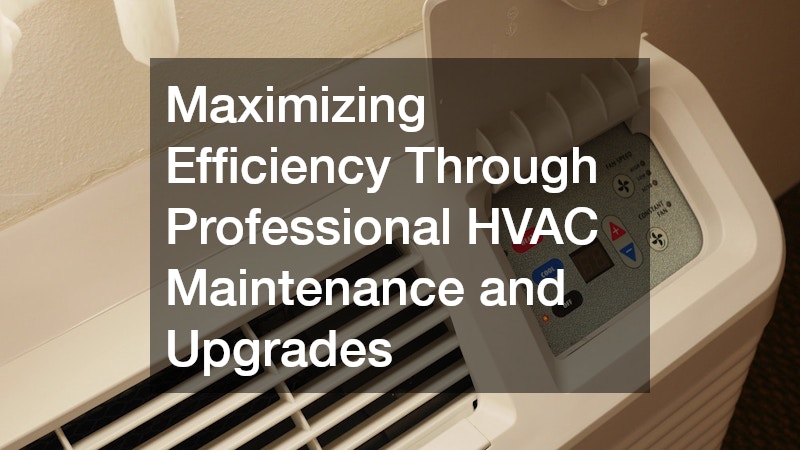
Investing in professional evaluation, maintenance, and strategic upgrades ensures that homeowners get maximum utility from their systems. From routine inspections to high-impact improvements, a structured approach keeps energy use in check, reduces unexpected repair needs, and extends the lifespan of critical components. This guide dives into actionable strategies for maximizing HVAC efficiency, helping homeowners save money while enhancing comfort year-round.
Additionally, a well-maintained HVAC system can improve indoor air quality significantly, reducing dust, allergens, and other airborne pollutants that accumulate over time. It also allows for more precise temperature control, which benefits households with children, elderly residents, or individuals with health sensitivities. Over time, these improvements not only enhance daily comfort but also contribute to a healthier and more sustainable living environment. By addressing both energy efficiency and indoor air quality, homeowners achieve a comprehensive approach to comfort and long-term savings.
Evaluating Your Current System Before Making Changes
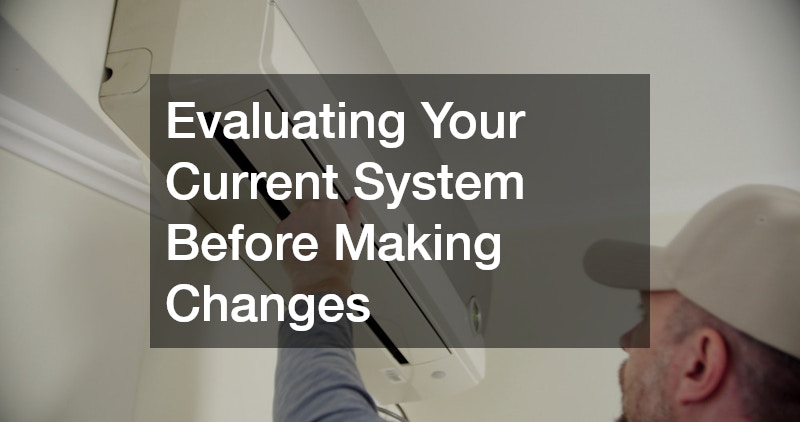
Before committing to any upgrades, it’s essential to understand the current state of your HVAC system. Many homeowners focus on cosmetic fixes or minor repairs without addressing underlying inefficiencies. Performing a thorough assessment ensures resources are spent effectively and avoids unnecessary replacements or adjustments.
Steps for a thorough evaluation:
- Inspect airflow consistency across rooms. Weak airflow can indicate blockages, duct leaks, or failing components.
- Listen for unusual noises, such as rattling, hissing, or grinding, which may signal internal wear.
- Check energy usage compared to prior seasons; spikes often indicate inefficiency.
- Observe temperature variations in different zones; uneven distribution often points to system imbalance.
Key signs to identify:
- Excessive dust or dirt buildup in vents and filters
- Stale or musty odors from the system
- Visible condensation or leaks around units
- Older components nearing their expected lifespan
Comparing your system to modern efficiency standards helps determine which upgrades will provide the greatest return. Understanding the system’s age, capacity, and design limitations informs decisions about whether to repair, replace, or supplement equipment. Documenting findings with photos and notes provides a baseline for monitoring improvements and evaluating professional recommendations.
Additionally, take environmental factors into account. Homes with varying insulation quality, high ceilings, or multiple floors may require more targeted solutions. Seasonal inspections also reveal issues that might only appear during heating or cooling extremes. Comprehensive evaluation prevents wasted effort, ensures proper prioritization, and lays the foundation for strategic upgrades.
Preventive Maintenance Strategies to Extend System Lifespan
Routine maintenance is the cornerstone of HVAC efficiency. Preventive strategies reduce wear and tear, prevent costly breakdowns, and maintain optimal energy performance.
Core maintenance tasks:
- Replace or clean filters monthly or quarterly, depending on usage
- Lubricate motors and moving components to reduce friction and extend life
- Inspect and clean coils to maintain heat transfer efficiency
- Test thermostat accuracy and recalibrate if necessary
Benefits of a proactive approach:
- Reduced likelihood of emergency HVAC repair
- Improved airflow and consistent indoor temperatures
- Extended system lifespan, delaying costly replacement
- Lower utility bills due to improved efficiency
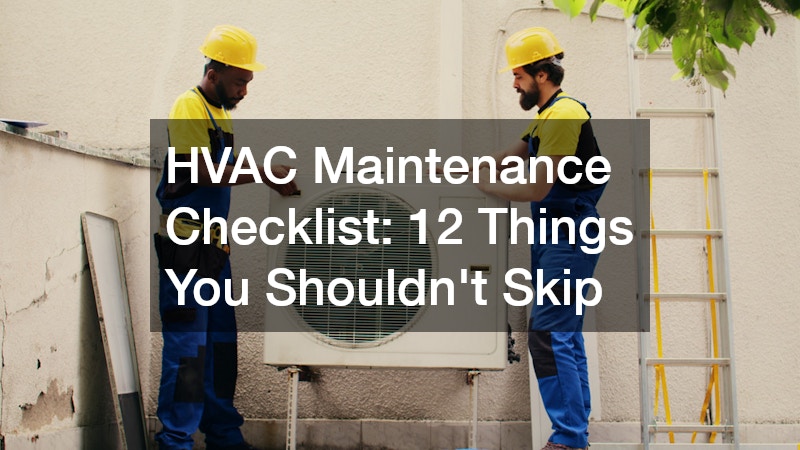
Partnering with a reputable HVAC contractor ensures that maintenance is performed thoroughly and according to manufacturer specifications. Professionals can identify minor issues before they escalate into larger problems, such as refrigerant leaks or failing compressors. A structured maintenance plan also creates a documented service history, which boosts confidence for homeowners and potential buyers alike.
Preventive maintenance goes beyond the units themselves. Regular duct inspections, proper sealing, and checking insulation also help the system work more efficiently. Even minor neglect, like clogged filters or dirty coils, can decrease performance by up to 30%. Investing in routine maintenance protects your equipment, reduces operating costs, and ensures consistent comfort throughout the year.
Choosing the Right Professionals for Service and Upgrades

Selecting qualified professionals is critical for maximizing HVAC efficiency. Not all technicians or companies provide the same quality of service, and inexperienced personnel may inadvertently introduce inefficiencies or overlook crucial problems.
Key considerations when hiring:
- Verify licenses, certifications, and insurance coverage
- Research reviews and testimonials from prior clients
- Confirm experience with your specific system type and brand
- Ask for detailed estimates and explanations of recommended work
Engaging trusted HVAC companies can also help coordinate upgrades, ensuring that new installations or repairs complement existing equipment. Professionals can advise on energy-efficient models, system sizing, and technology integration, such as smart thermostats or zoning controls.
Working with the right team reduces the risk of errors, prevents costly follow-up repairs, and guarantees that any adjustments or installations meet industry standards. Homeowners should feel confident in the technician’s ability to diagnose problems accurately, recommend solutions transparently, and execute work efficiently.
Additionally, professional companies often offer service agreements that simplify ongoing maintenance, making it easier to keep systems performing at peak efficiency. These agreements may include seasonal inspections, priority scheduling, and discounted rates for repairs, offering both convenience and cost savings over time.
Optimizing Heating Systems for Efficiency and Comfort
Heating systems are often the most energy-intensive component of a home’s HVAC setup. Optimizing performance ensures warmth, reduces energy waste, and prolongs the life of equipment.
Key strategies for heating optimization:
- Upgrade to a modern furnace with high efficiency ratings
- Ensure ductwork is properly sealed and insulated
- Balance airflow throughout the home using dampers and vents
- Set programmable thermostats to reduce unnecessary operation
Furnace installation should be planned strategically, ideally during off-peak seasons, to minimize disruption and ensure timely performance. A well-executed installation provides even heat distribution, prevents cold spots, and reduces strain on the system.
Properly designed heating systems also support indoor air quality. By integrating humidifiers, filtration, or zoning controls, homeowners can achieve consistent comfort while minimizing dust and allergens. Regular inspection and minor adjustments help the system run efficiently, preventing the overuse of energy and minimizing wear on critical components.
Even simple improvements, like cleaning blower fans or replacing worn belts, can yield significant energy savings. When combined with periodic professional assessments, these steps ensure that heating systems operate effectively, reducing monthly utility bills while maintaining comfort during colder months.
Improving Cooling Performance Without Replacing the System
Cooling efficiency is just as important as heating performance. Small inefficiencies can lead to uneven cooling, higher energy costs, and increased wear on equipment.
Effective strategies include:
- Proper AC install practices for optimal airflow
- Sealing and insulating ductwork to prevent leaks
- Regular coil cleaning and refrigerant level checks
- Improving ventilation and shading to reduce load
Timely air conditioner repair also ensures the system maintains peak performance. Addressing minor issues, such as refrigerant leaks or clogged condensate lines, prevents long-term damage and improves reliability. Regular servicing reduces the likelihood of breakdowns during peak summer months.
Optimizing cooling performance can often be achieved without full system replacement. Strategic maintenance, combined with professional assessments, allows homeowners to extend equipment life while improving efficiency. Small investments in ductwork, refrigerant balance, and airflow adjustments pay off in lower energy costs, better indoor comfort, and reduced future repair needs.
Leveraging Ductless Solutions for Targeted Comfort

Ductless air conditioning systems offer flexible, energy-efficient solutions for homes with specific cooling needs. They are ideal for multi-zone setups, additions, or spaces where traditional ductwork is impractical.
Benefits and strategies:
- Targeted cooling for specific rooms reduces overall energy use
- Easy installation minimizes disruption to existing structures
- Allows independent temperature control in each zone
Proper ductless air conditioning installation ensures balanced airflow, quiet operation, and optimal energy efficiency. Placement is critical; units should be positioned to provide even cooling without interference from furniture or structural obstacles. Maintenance of these systems, including cleaning filters and checking refrigerant levels, further extends their efficiency.
Ductless solutions are especially effective in older homes, sunrooms, or bonus spaces. They complement existing central systems, providing supplemental cooling where it is most needed. When installed and maintained properly, ductless systems offer improved comfort, reduced energy consumption, and greater control over home climate.
Designing or Updating Heating Systems for Maximum Efficiency
Professional heating system design services help homeowners achieve optimal performance tailored to their specific layout and needs. Proper design ensures comfort, efficiency, and durability.
Key elements of an effective design:
- Load calculations to determine the appropriate system size
- Zoning to allow independent temperature control
- Integration with smart thermostats and energy-efficient components
- Coordination with existing ductwork and ventilation systems
Customized designs improve efficiency by reducing overuse and minimizing energy waste. Designers also consider structural factors such as insulation, ceiling height, and room orientation to ensure consistent heat distribution.
Working with experts on heating system design prevents common pitfalls, such as oversized furnaces or poorly balanced airflow. Professional guidance also allows for the integration of modern energy-saving technologies, lowering operational costs and improving environmental performance.
Integrating Full-Service AC and Heating Solutions
Coordinating maintenance, repairs, and upgrades ensures that heating and cooling systems work together efficiently. Combining services from a reputable AC company streamlines care and improves overall performance.
Key strategies for integration:
- Establish comprehensive maintenance plans covering both heating and cooling
- Schedule repairs and upgrades during low-demand seasons to minimize disruption
- Leverage bundled services to reduce costs and improve efficiency
Full-service AC and heating services provide continuous oversight, ensuring all components operate optimally. Professionals can identify inefficiencies across systems and recommend upgrades or adjustments that enhance both comfort and energy performance.
Integration also simplifies record-keeping. A single service provider can track repairs, replacements, and maintenance history, providing clear documentation and peace of mind. By treating heating and cooling systems holistically, homeowners achieve better efficiency, lower operating costs, and longer-lasting equipment.
Monitoring and Fine-Tuning After Upgrades
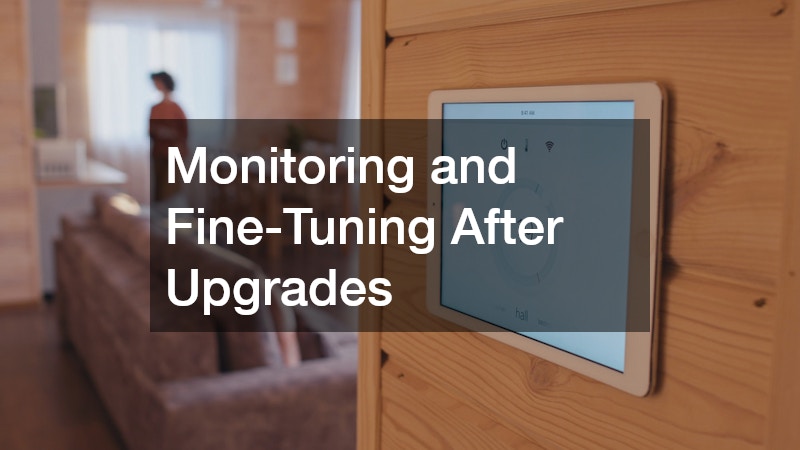
Upgrades and maintenance are most effective when followed by ongoing monitoring. Homeowners should regularly track system performance and make adjustments to maintain efficiency.
Monitoring strategies:
- Install smart thermostats to track energy use and temperature patterns
- Conduct seasonal system checks to identify emerging issues
- Adjust settings based on occupancy, weather patterns, and energy goals
Fine-tuning ensures that systems continue to operate at peak performance. Even small adjustments, such as recalibrating thermostats or adjusting airflow dampers, can significantly reduce energy consumption and enhance comfort.
Regular monitoring also helps identify minor problems before they escalate. Prompt response to issues like fluctuating temperatures, unusual noises, or increased energy use prevents costly repairs and maintains long-term system reliability.
Maximizing HVAC efficiency requires a combination of assessment, maintenance, professional guidance, and strategic upgrades. By taking a proactive approach, homeowners reduce energy costs, improve comfort, and extend the lifespan of critical equipment.
Regular inspections, preventive maintenance, and thoughtful upgrades allow heating and cooling systems to operate at peak performance. Working with experienced professionals ensures that improvements are implemented correctly, avoiding costly mistakes and maximizing return on investment.
Efficiency also enhances home value, providing reassurance to buyers and improving overall livability. By integrating maintenance, repairs, and upgrades, homeowners create a cohesive system that delivers consistent comfort, lower energy bills, and long-lasting performance. Proactive planning and strategic implementation turn HVAC systems into reliable assets that protect both financial and personal investment.
Moreover, a well-maintained and efficient HVAC system contributes to environmental sustainability. Reduced energy consumption lowers the home’s carbon footprint and supports broader efforts to conserve resources. Homeowners also benefit from improved indoor air quality, as properly maintained systems circulate cleaner air, reducing dust, allergens, and pollutants. This creates a healthier living environment for families, particularly those with children or individuals sensitive to air quality. In the long term, investing in efficiency promotes both economic and personal well-being, making the home more comfortable, safe, and cost-effective year-round.