Introduction
Creating a comfortable, efficient, and reliable home requires more than occasional repairs—it demands a proactive, well-rounded approach to maintenance. Every major system in your home, from water supply and waste management to climate control and structural protection, plays a critical role in overall performance. When even one component begins to fail, it can create a ripple effect that impacts energy efficiency, safety, and long-term costs.
Many homeowners wait until something breaks before taking action, but this reactive approach often leads to higher expenses and unnecessary stress. A more effective strategy is to understand how your home’s systems work together and take steps to maintain, upgrade, and optimize them over time. By doing so, you can reduce utility bills, extend the lifespan of key components, and ensure a healthier living environment for your family.
This guide provides a comprehensive look at the most important areas of home efficiency, offering practical tips and expert insights to help you make informed decisions. Whether you’re planning upgrades, addressing ongoing issues, or simply looking to improve performance, these strategies will help you keep your home running smoothly year-round.
Evaluating Your Property’s Water Source and Waste Systems
Your home’s water source and waste management systems form the foundation of daily living. Understanding how these systems operate is essential for maintaining efficiency and preventing costly issues. For properties that rely on private water systems, regular monitoring and maintenance are especially important.
Well services play a crucial role in ensuring a clean and reliable water supply. Over time, wells can experience issues such as sediment buildup, pump failure, or contamination. Scheduling routine inspections allows professionals to identify and address these problems early. Water testing is also essential to ensure that your household is not exposed to harmful bacteria, minerals, or pollutants.
When it comes to managing wastewater, septic tank installation is a critical component for homes not connected to municipal sewer systems. A properly installed system safely processes and disposes of waste, but poor installation or lack of maintenance can lead to backups, unpleasant odors, and environmental hazards.
To keep your systems functioning effectively, consider the following best practices:
- Schedule regular inspections for both water supply and waste systems.
- Monitor water pressure and flow for signs of pump or line issues.
- Avoid flushing non-biodegradable items that can damage septic systems.
- Be mindful of landscaping near septic fields to prevent root intrusion.
- Keep detailed records of inspections, maintenance, and repairs.
Recognizing early warning signs can prevent major disruptions. Slow drains, gurgling pipes, or unusually lush patches of grass near your septic area may indicate underlying problems. Addressing these concerns promptly can save you from expensive repairs and protect your property.
Working with qualified professionals ensures that your systems are installed and maintained according to local regulations. This not only protects your investment but also provides peace of mind knowing your home’s essential infrastructure is functioning properly.
Improving Water Quality and Protecting Plumbing Systems
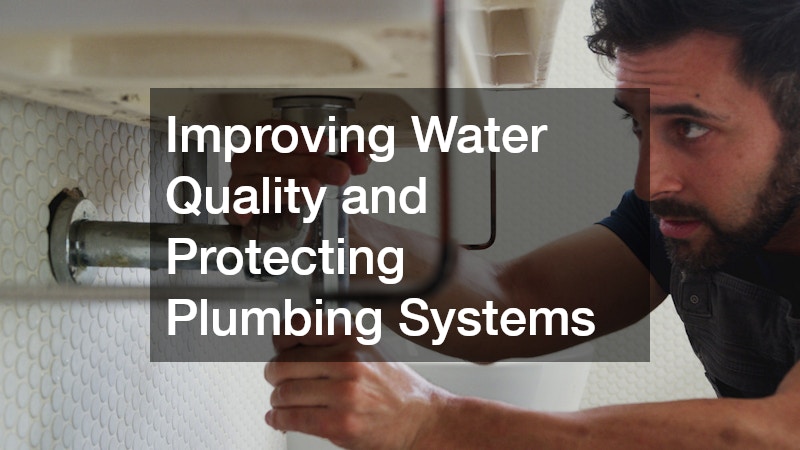
Water quality directly impacts your health, appliances, and plumbing infrastructure. Hard water, mineral buildup, and contaminants can reduce efficiency and lead to premature wear on pipes and fixtures. Taking steps to improve water quality is a smart investment in both comfort and long-term savings.
A water softener is one of the most effective ways to combat hard water. By removing excess minerals such as calcium and magnesium, it helps prevent scale buildup in pipes, water heaters, and appliances. This not only improves water flow but also extends the lifespan of your plumbing system.
In addition to improving water quality, working with a reliable plumbing company ensures that any underlying issues are properly addressed. Professional plumbers can identify hidden leaks, corrosion, or pressure imbalances that may not be immediately visible but can cause significant damage over time.
Here are some practical steps to maintain your plumbing system:
- Install filtration systems to improve water taste and safety.
- Flush pipes periodically to remove sediment buildup.
- Inspect exposed pipes for signs of leaks or corrosion.
- Replace outdated fixtures with water-efficient models.
- Schedule annual plumbing inspections to catch issues early.
Maintaining consistent water pressure is another key factor in system health. High pressure can strain pipes and increase the risk of leaks, while low pressure may indicate blockages or other issues. Installing a pressure regulator can help maintain optimal levels.
By prioritizing water quality and system maintenance, you can reduce repair costs, improve efficiency, and create a healthier home environment. Small upgrades and regular inspections go a long way in protecting one of your home’s most essential systems.
Knowing When It’s Time to Upgrade Your Cooling System
Cooling systems are essential for maintaining indoor comfort, especially during warmer months. However, like all mechanical systems, they have a limited lifespan and gradually lose efficiency over time. Recognizing when it’s time for an upgrade can help you avoid unexpected breakdowns and rising energy costs.
One of the most common signs that you may need ac replacements is a noticeable decline in performance. If your system struggles to maintain consistent temperatures or requires frequent repairs, it may be more cost-effective to invest in a new unit. Older systems also tend to consume more energy, leading to higher utility bills.
Before committing to a replacement, it’s important to explore whether heating-and-air-repair’>hvac repair services can resolve existing issues. In some cases, repairs such as replacing worn components or cleaning internal systems can restore performance and extend the lifespan of your unit.
When evaluating your options, consider the following factors:
- Age of the current system (typically 10–15 years for most units).
- Frequency and cost of recent repairs.
- Energy efficiency ratings and potential savings.
- Compatibility with your home’s size and layout.
- Availability of modern features such as programmable thermostats.
Choosing the right system size is critical. An oversized unit may cool your home too quickly without removing humidity, while an undersized system will struggle to maintain comfort. Professional assessments ensure proper sizing and installation.
Regular maintenance also plays a key role in system performance. Simple tasks such as changing filters, cleaning coils, and checking refrigerant levels can significantly improve efficiency and reduce wear and tear.
Upgrading your cooling system not only enhances comfort but also contributes to long-term energy savings. By making informed decisions and working with experienced professionals, you can ensure that your home remains comfortable and efficient year-round.
Maintaining Reliable Hot Water for Daily Use
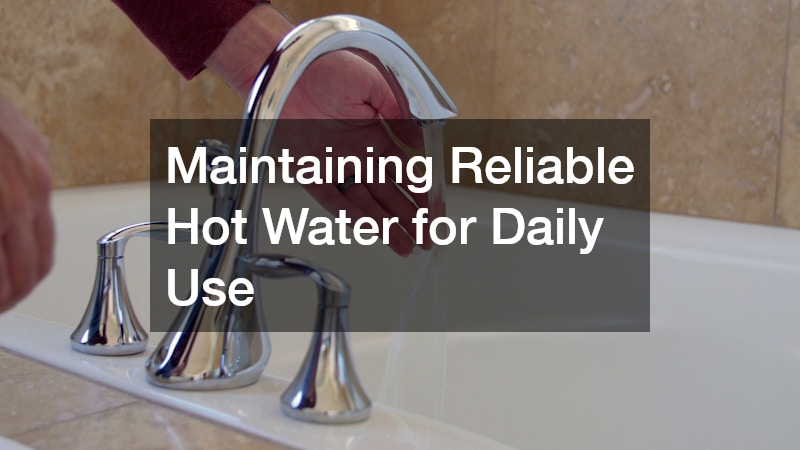
Hot water is a necessity for everyday activities such as bathing, cooking, and cleaning. When your system fails or becomes inefficient, it can disrupt your routine and lead to frustration. Understanding how to maintain and troubleshoot your system is key to ensuring consistent performance.
A water heater repair service can address common issues such as inconsistent temperatures, strange noises, or reduced water flow. These problems are often caused by sediment buildup, faulty heating elements, or worn components. Addressing these issues early can prevent more serious damage and extend the life of your system.
Heating components within your water heater play a critical role in maintaining temperature. Over time, these elements can degrade, reducing efficiency and increasing energy consumption. Regular inspections and maintenance help ensure that all components are functioning properly.
To keep your system running smoothly, consider these maintenance tips:
- Flush the tank annually to remove sediment buildup.
- Check the anode rod to prevent corrosion.
- Inspect for leaks around the tank and connections.
- Set the thermostat to an optimal temperature (typically around 120°F).
- Schedule professional inspections for thorough evaluations.
Energy efficiency is another important consideration. Upgrading to newer models or adding insulation around your tank can reduce heat loss and improve performance. Tankless systems are also an option for homeowners seeking on-demand hot water and increased efficiency.
Safety should always be a priority when dealing with hot water systems. Pressure relief valves, proper ventilation, and secure connections are essential for preventing accidents. If you notice unusual smells, sounds, or performance issues, it’s important to seek professional assistance immediately.
By maintaining your water heating system, you can ensure reliable performance, lower energy costs, and a more comfortable home environment.
Enhancing Energy Efficiency Through Proper Insulation
Energy efficiency starts with your home’s ability to retain and regulate temperature. Without proper insulation, even the most advanced heating and cooling systems will struggle to maintain comfort, leading to increased energy consumption and higher utility bills.
A residential insulation service can assess your home’s current insulation levels and recommend improvements. Key areas to focus on include attics, walls, basements, and crawl spaces. Proper insulation acts as a barrier, preventing heat transfer and maintaining consistent indoor temperatures.
Signs that your home may need improved insulation include:
- Uneven temperatures between rooms.
- Drafts or cold spots near windows and doors.
- High energy bills despite normal usage.
- Ice dams forming on the roof during winter.
- Difficulty maintaining comfortable indoor conditions.
Different types of insulation materials offer varying benefits. Fiberglass, spray foam, and cellulose are common options, each with its own advantages. Choosing the right material depends on your home’s structure, climate, and budget.
In addition to insulation, sealing air leaks is essential. Gaps around windows, doors, and vents can allow conditioned air to escape, reducing efficiency. Simple fixes such as weatherstripping and caulking can make a noticeable difference.
Investing in proper insulation not only improves comfort but also reduces the strain on your HVAC system. This leads to lower energy costs, fewer repairs, and a more sustainable home.
Protecting Your Home from Structural Damage and Leaks
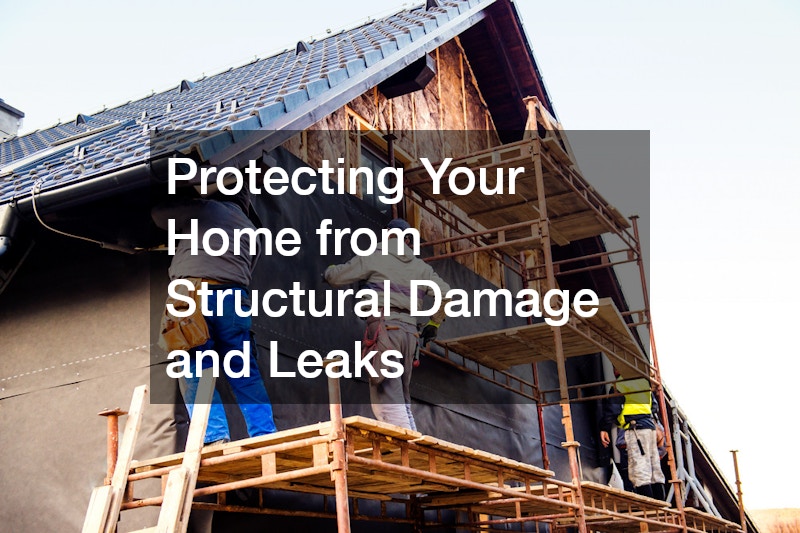
Your roof is one of the most important components of your home, providing protection against the elements and maintaining structural integrity. Over time, exposure to weather conditions can cause wear and tear, making regular maintenance essential.
Roof repairs are necessary when signs of damage begin to appear. These may include missing shingles, leaks, sagging areas, or visible wear. Addressing these issues promptly prevents further damage and extends the lifespan of your roof.
Preventive maintenance strategies include:
- Conducting regular visual inspections from the ground or with professional help.
- Cleaning gutters to prevent water buildup and overflow.
- Trimming overhanging branches that can damage roofing materials.
- Checking flashing around chimneys and vents for leaks.
- Scheduling professional inspections after severe weather events.
Proper ventilation also plays a key role in roof health. Without adequate airflow, heat and moisture can accumulate in the attic, leading to mold growth and structural damage. Ensuring proper ventilation helps regulate temperature and prevent long-term issues.
Investing in high-quality materials and professional installation can significantly improve durability and performance. While repairs may address immediate concerns, upgrading your roof when necessary provides long-term protection and peace of mind.
By maintaining your roof, you safeguard your home against water damage, improve energy efficiency, and preserve overall structural integrity.
Coordinating Multiple Systems for Maximum Efficiency
A truly efficient home requires all systems to work together seamlessly. Water, HVAC, insulation, and structural components are interconnected, and issues in one area can impact overall performance.
Creating a coordinated maintenance plan helps ensure that all systems receive the attention they need. This includes scheduling regular inspections, prioritizing upgrades, and addressing issues promptly.
Key strategies for coordination include:
- Developing a yearly maintenance calendar.
- Grouping related services to reduce costs and disruption.
- Monitoring energy and water usage for unusual changes.
- Investing in smart home technology for better control and efficiency.
- Consulting professionals for comprehensive system evaluations.
Budgeting is also an important aspect of managing multiple systems. Setting aside funds for maintenance and upgrades allows you to address issues without financial strain.
Avoiding common mistakes, such as neglecting small repairs or attempting complex DIY fixes, can save time and money. Professional expertise ensures that systems are properly maintained and optimized for performance.
By taking a holistic approach, you can improve efficiency, reduce costs, and create a more comfortable living environment.
Seasonal Maintenance Checklist for Year-Round Performance
Seasonal maintenance is essential for keeping your home’s systems operating efficiently throughout the year. Each season presents unique challenges, making it important to adjust your maintenance routine accordingly.
Spring and summer tasks focus on cooling and water systems:
- Inspect and service air conditioning units.
- Clean outdoor equipment and remove debris.
- Check irrigation systems for leaks or damage.
- Test water quality and filtration systems.
Fall and winter preparation emphasizes heating and insulation:
- Inspect heating systems and replace filters.
- Seal gaps and improve insulation.
- Check for drafts and address air leaks.
- Prepare outdoor systems for colder temperatures.
Routine inspections should also include:
- Checking for leaks or moisture buildup.
- Inspecting structural components for wear.
- Testing safety devices such as smoke detectors.
- Scheduling professional services as needed.
Simple DIY checks can help you stay proactive, but professional inspections provide a deeper level of assessment. Combining both approaches ensures comprehensive care.
By following a seasonal maintenance plan, you can prevent unexpected issues, improve efficiency, and maintain a comfortable home environment year-round.
Conclusion
Maintaining a safe, efficient, and comfortable home requires consistent attention to all major systems. From water and climate control to structural protection and energy efficiency, each component plays a vital role in overall performance. Taking a proactive approach allows homeowners to identify potential issues early, reduce long-term costs, and extend the lifespan of essential systems.
By combining regular inspections, timely repairs, and strategic upgrades, you can create a home that operates smoothly in every season. Investing in maintenance not only improves daily comfort but also protects your property value and ensures a healthier living environment.
A well-maintained home is more than just a place to live—it’s a long-term investment in safety, efficiency, and peace of mind.