
Your home is constantly exposed to the elements—rain, wind, snow, heat, and fluctuating temperatures all take a toll over time. Even the most well-built homes experience gradual wear that can lead to costly repairs if left unaddressed. Weather alone can accelerate deterioration, whether it’s persistent moisture that seeps into walls, harsh sun that fades and cracks exterior materials, or freezing temperatures that damage pipes and roofing. Over time, even minor issues can compound, resulting in structural damage, energy inefficiency, and decreased comfort.
The key to avoiding major issues is a proactive approach that focuses on prevention, early detection, and smart upgrades. Homeowners who take the time to inspect and maintain their property regularly can catch small problems before they become major expenses. Simple actions, like seasonal inspections, timely repairs, and routine upkeep, can dramatically extend the life of your home’s systems and materials.
By understanding how different parts of your home respond to weather and aging, you can make informed decisions that protect both your investment and your family’s safety. This guide provides practical, actionable steps designed to help you safeguard your home year-round, reduce unexpected expenses, and maintain comfort and peace of mind. From interior systems to exterior structures, proactive care ensures that your home remains a safe, reliable, and enjoyable space for years to come. Additionally, this approach promotes energy efficiency, prevents costly emergency repairs, and ultimately preserves the long-term value of your property.
Create a Seasonal Home Protection Checklist
A structured, seasonal approach is one of the most effective ways to stay ahead of home maintenance issues. Each season brings unique challenges, so breaking tasks into manageable timeframes helps ensure nothing gets overlooked.
Spring Preparation
After winter, your home may have hidden damage that needs attention. Focus on:
- Inspecting HVAC systems before warmer weather arrives
- Scheduling air conditioner repair if you notice weak airflow or unusual noises
- Checking for water damage around windows and the foundation
- Cleaning debris from outdoor units and vents
Summer Readiness
Summer heat can strain your cooling systems and exterior materials.
- Monitor system performance during peak usage
- Keep filters clean to improve efficiency
- Watch for signs of overheating or inconsistent cooling
- Inspect attic ventilation to prevent heat buildup
Fall Maintenance
Preparing for colder months is critical.
- Schedule furnace maintenance before temperatures drop
- Check insulation and seal gaps around doors and windows
- Clear leaves and debris from around the home
- Test your thermostat and heating efficiency
Winter Protection
Cold weather can expose vulnerabilities quickly.
- Monitor heating performance and energy usage
- Check for drafts and cold spots indoors
- Prevent frozen pipes by maintaining consistent indoor temperatures
- Keep vents and exhaust outlets clear of snow
Pro Tip: Create a recurring calendar reminder for each seasonal checklist to stay consistent year after year.
Strengthen Your Home’s First Line of Defense
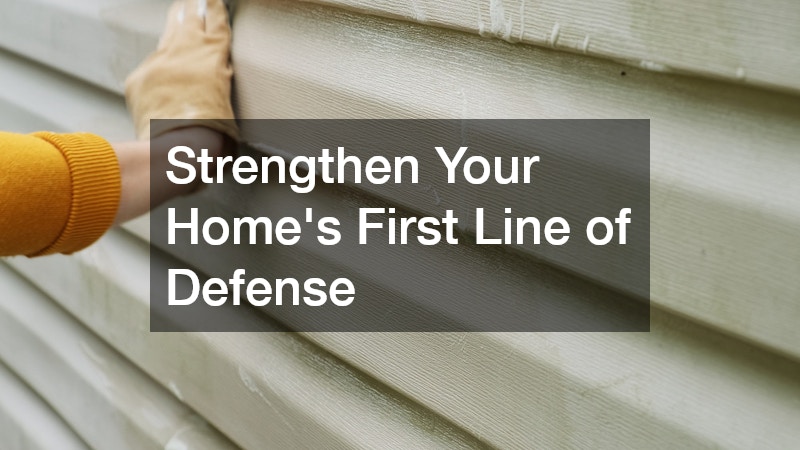
Your home’s exterior acts as a protective shell, shielding everything inside from weather-related damage. When siding begins to deteriorate, moisture intrusion and structural issues can follow.
Signs Your Exterior Needs Attention
Look for these warning indicators:
- Cracks, warping, or loose panels
- Fading or peeling finishes
- Mold, mildew, or water stains
- Increased indoor humidity or drafts
Actionable Steps to Improve Durability
- Perform visual inspections twice a year, especially after storms
- Clean siding with appropriate solutions to prevent buildup
- Seal gaps or joints where moisture could enter
- Replace damaged sections promptly to avoid spreading issues
When to Call a Professional
While some minor fixes can be DIY, there are times when hiring a siding contractor is the smarter choice:
- Extensive damage or large affected areas
- Persistent moisture problems
- Upgrading to more weather-resistant materials
Long-Term Benefits of Proper Care
Investing in siding services ensures:
- Better insulation and energy efficiency
- Protection against pests and rot
- Improved curb appeal and resale value
Protect Your Roof From Long-Term Damage
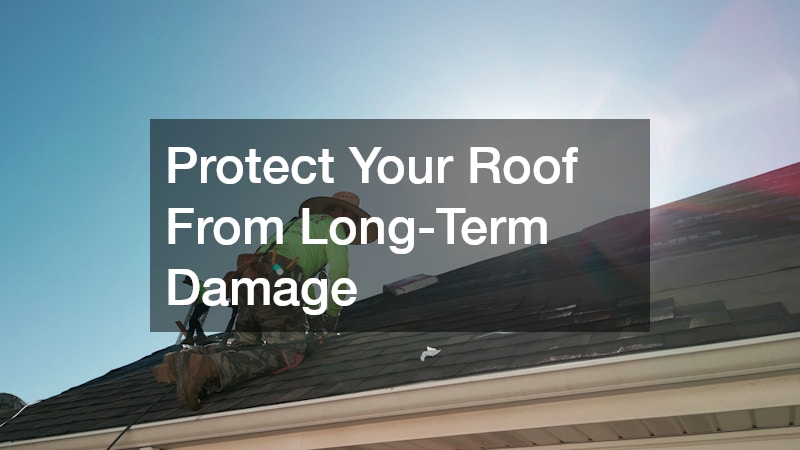
Your roof is one of the most critical components of your home, yet it’s often overlooked until a problem arises. Proactive care can extend its lifespan and prevent major structural issues.
Common Signs of Roof Wear
- Missing or curling shingles
- Granule loss in gutters
- Water stains on ceilings or attic walls
- Sagging or uneven rooflines
Maintenance Tips That Make a Difference
- Inspect your roof at least twice a year
- Remove debris that can trap moisture
- Check flashing around chimneys and vents
- Address small leaks immediately
Knowing When Repairs Aren’t Enough
Sometimes, patchwork fixes won’t solve the underlying issue. Consider roof replacement if:
- Your roof is nearing the end of its expected lifespan
- Damage is widespread or recurring
- Repairs are becoming increasingly frequent
Importance of Proper Installation
A high-quality roofing installation ensures:
- Better resistance to wind and water infiltration
- Improved ventilation and energy efficiency
- Longer-lasting performance with fewer repairs
Manage Rainwater to Prevent Structural Issues
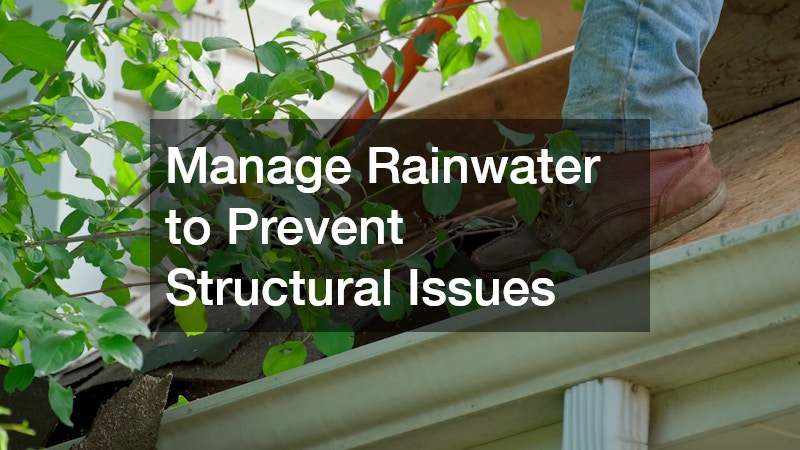
Water management plays a huge role in protecting your home’s foundation and structural integrity. Without proper drainage, even small amounts of water can cause significant damage over time.
Why Drainage Matters
Poor water control can lead to:
- Foundation cracks
- Basement flooding
- Soil erosion around your home
- Damage to siding and landscaping
Key Maintenance Tips
- Clean gutters regularly to prevent clogs
- Check for sagging or misaligned sections
- Ensure downspouts direct water away from the foundation
- Inspect for leaks or rust spots
Choosing the Right System
Modern seamless gutters offer several advantages:
- Fewer joints reduce the risk of leaks
- Custom fit for better performance
- Lower maintenance requirements
When to Upgrade
Consider gutter installation if:
- Your current system frequently overflows
- You notice water pooling near your foundation
- Existing gutters are cracked, rusted, or separating
Prevent Water Damage Inside and Outside the Home
Water damage is one of the most expensive and disruptive problems homeowners face. It often starts small but can escalate quickly if ignored.
Early Warning Signs
- Unexplained increases in water bills
- Damp spots on walls or ceilings
- Musty odors indicating hidden moisture
- Low water pressure or slow drainage
Practical Prevention Strategies
- Inspect visible pipes for corrosion or leaks
- Install water detection devices in high-risk areas
- Maintain proper drainage around appliances
- Insulate pipes to prevent freezing
Upgrading for Long-Term Protection
Older systems may need attention to remain safe and efficient:
- Modern plumbing installation reduces leak risks
- Updated materials resist corrosion and wear
- Improved layouts enhance water flow and efficiency
Safety Considerations
Water and electricity are a dangerous combination. Coordinating with professionals for electrical services ensures:
- Safe wiring around moisture-prone areas
- Proper grounding and surge protection
- Compliance with current safety codes
Seal and Insulate to Reduce Weather Impact
Small gaps and poor insulation can significantly affect your home’s ability to withstand weather changes. Addressing these issues improves comfort and reduces energy costs.
Where to Focus Your Efforts
- Windows and door frames
- Attic spaces and crawl areas
- Basement walls and floors
- Around vents and utility openings
Benefits of Proper Sealing
- Reduced drafts and temperature fluctuations
- Lower heating and cooling costs
- Improved indoor air quality
- Less strain on HVAC systems
DIY vs. Professional Solutions
DIY tasks:
- Applying weatherstripping
- Using caulk to seal small gaps
- Adding door sweeps
Professional upgrades:
- Spray foam insulation
- Comprehensive energy audits
- Large-scale sealing projects
Prepare for Storms and Extreme Weather Events
Extreme weather can cause sudden and severe damage, but preparation can significantly reduce risks.
Build a Storm-Ready Plan
- Identify vulnerable areas around your home
- Secure outdoor furniture and equipment
- Reinforce doors, windows, and garage openings
Essential Supplies to Keep on Hand
- Emergency kits with food, water, and first aid
- Backup power sources such as generators
- Flashlights and extra batteries
After the Storm
Inspect your home carefully:
- Check for visible structural damage
- Look for water intrusion or leaks
- Document issues for insurance claims
Maintain Landscaping to Protect Your Home
Your yard plays a bigger role in home protection than many homeowners realize. Poor landscaping can contribute to drainage issues and structural damage.
Smart Landscaping Practices
- Keep trees trimmed away from your roof
- Avoid planting too close to the foundation
- Use proper grading to direct water away from your home
Preventing Common Problems
- Remove dead or unstable trees before storms
- Control root growth that can damage pipes
- Maintain healthy soil to reduce erosion
Drainage Improvements
- Install French drains where needed
- Use gravel or mulch to manage water flow
- Regularly inspect outdoor drainage systems
Build a Long-Term Maintenance Budget and Schedule
Staying proactive requires planning, both in time and finances. A clear strategy helps you avoid surprises, prioritize important tasks, and ensure that all aspects of your home are well-maintained. By taking a systematic approach to budgeting and scheduling, you can reduce the stress of unexpected repairs and make smarter decisions about when to invest in upgrades or replacements.
Budgeting Tips
- Set aside funds annually for routine upkeep, inspections, and small repairs to prevent minor issues from escalating.
- Plan for major upgrades based on the expected lifespan of key systems, such as HVAC units, roofing, or plumbing components.
- Compare the costs of repeated repairs versus full replacements to make financially sound decisions.
- Include a contingency fund for unexpected emergencies to ensure financial flexibility.
- Factor in seasonal costs, like air conditioner repair in summer or furnace maintenance in winter, to avoid last-minute expenses.
Creating a Maintenance Schedule
- Break tasks into monthly, seasonal, and annual categories to ensure comprehensive coverage.
- Monthly tasks: Clean gutters, inspect plumbing for leaks, check HVAC filters, and test smoke detectors.
- Seasonal tasks: Prepare for extreme temperatures, inspect siding and roofing, schedule professional services like air conditioner repair or furnace maintenance.
- Annual tasks: Major inspections, system upgrades, and safety checks, including electrical and plumbing systems.
- Keep a checklist of recurring inspections and projects to track completed work and upcoming tasks.
- Use reminders or digital calendars to stay consistent with maintenance activities.
Record Keeping
- Maintain detailed records of all repairs, upgrades, and inspections.
- Track warranties and service agreements for appliances, systems, and major structural work.
- Use records to provide context for service providers and ensure consistency in care.
- Documenting completed tasks also helps with long-term planning and resale value.
- Include receipts, photos, and notes about problem areas for reference in future maintenance.
When to Invest in Upgrades
- Replace systems nearing the end of their expected lifespan to avoid sudden failures.
- Consider upgrades for systems that require frequent repairs to save money and reduce disruption.
- Take advantage of opportunities to improve energy efficiency, such as modern HVAC systems or updated plumbing layouts.
- Schedule upgrades strategically to balance your maintenance budget while keeping your home reliable.
- Prioritize investments that prevent damage to other systems or the home’s structure.
Key Benefits of a Long-Term Plan
- Reduces the likelihood of costly emergency repairs.
- Ensures all systems and structures remain functional and safe.
- Helps maintain consistent energy efficiency and comfort.
- Provides peace of mind knowing that your home is protected.
- Extends the life and value of your home through proactive care.
By combining thoughtful budgeting, a structured schedule, and thorough record keeping in a consistent, bullet-point approach, homeowners can transform maintenance from a reactive chore into a proactive strategy that preserves their property’s safety, efficiency, and value.
Protecting your home from weather and everyday wear isn’t about reacting to problems—it’s about staying ahead of them. With a proactive approach, consistent maintenance, and smart upgrades, you can prevent costly damage and extend the life of your home’s most important systems. Homes are significant investments, and treating them as such means dedicating time and attention to the details that often go unnoticed until an issue arises. By addressing small problems early, you can avoid the stress, expense, and disruption of major repairs that could have been prevented.
By taking the time to inspect, maintain, and improve your property regularly, you not only safeguard your investment but also create a safer, more comfortable living environment for your family. Preventative care ensures that your home remains functional and efficient throughout the year, reducing energy costs and enhancing overall comfort. For example, simple seasonal inspections and routine maintenance tasks can uncover hidden issues, allowing you to make targeted improvements before damage escalates.
Additionally, a proactive approach provides peace of mind. Knowing that your home’s systems and structure are in good condition reduces the anxiety that comes with unexpected repairs and weather-related emergencies. Documenting maintenance, scheduling timely upgrades, and staying informed about best practices all contribute to a long-term strategy that preserves your home’s value. Ultimately, investing a little effort consistently now translates into years of durability, comfort, and security, ensuring that your home remains a safe, reliable, and enjoyable space for you and your loved ones.