Key Takeaways
- A seasonal approach to system care prevents breakdowns, lowers energy bills, and extends equipment lifespan by years
- Changing air filters every one to three months is the single most impactful task any homeowner can do themselves
- Spring and fall are the ideal windows for professional tune-ups because technicians can inspect systems before peak demand hits
- Outdoor condenser units need clearance of at least two feet and regular cleaning to breathe properly and cool efficiently
- Refrigerant work, electrical repairs, and gas components should be left to licensed professionals
- Ductwork inspections every few years catch leaks that silently waste up to 30 percent of conditioned air
- Keeping a written log of service dates, filter changes, and odd sounds helps technicians diagnose issues faster
Why Your Heating and Cooling System Needs a Routine
Most people only think about their furnace or air conditioner when something goes wrong. The thermostat blinks, the vents blow warm air in July, or a strange rattling starts in the middle of the night. By then, the repair bill is usually bigger than it needed to be, and the stress of a hot house full of family members is already baked in.
A little attention spread throughout the year changes that story completely. Equipment that gets consistent care runs quieter, uses less electricity, and tends to last years longer than neglected systems. You also catch small issues before they snowball into compressor failures or cracked heat exchangers.
This guide walks you through exactly what to tackle season by season, what you can handle on a Saturday morning, and when it makes sense to pick up the phone and call a pro. Think of it as a practical playbook rather than a lecture.
What Does HVAC Maintenance Include Across the Year
Here is the answer to the big question up front: what does HVAC maintenance include when you break it down into real tasks? It covers filter changes, coil cleaning, refrigerant checks, electrical inspections, lubrication of moving parts, thermostat calibration, drainage line clearing, duct inspections, and safety tests for carbon monoxide and gas connections.
Some of these jobs happen monthly. Others happen twice a year. A few only need attention every three to five years. Spreading them out keeps the workload light and your system humming.
Here is a quick snapshot of the recurring tasks and how often they come up:
- Air filter inspection and replacement: every 1 to 3 months
- Outdoor unit cleaning and clearing: twice per year
- Professional tune-up: once per season for AC and once for heat
- Condensate drain flush: twice per year
- Ductwork inspection: every 3 to 5 years
- Thermostat battery and calibration check: once per year
Spring Prep: Getting Your AC Ready Before the Heat Hits
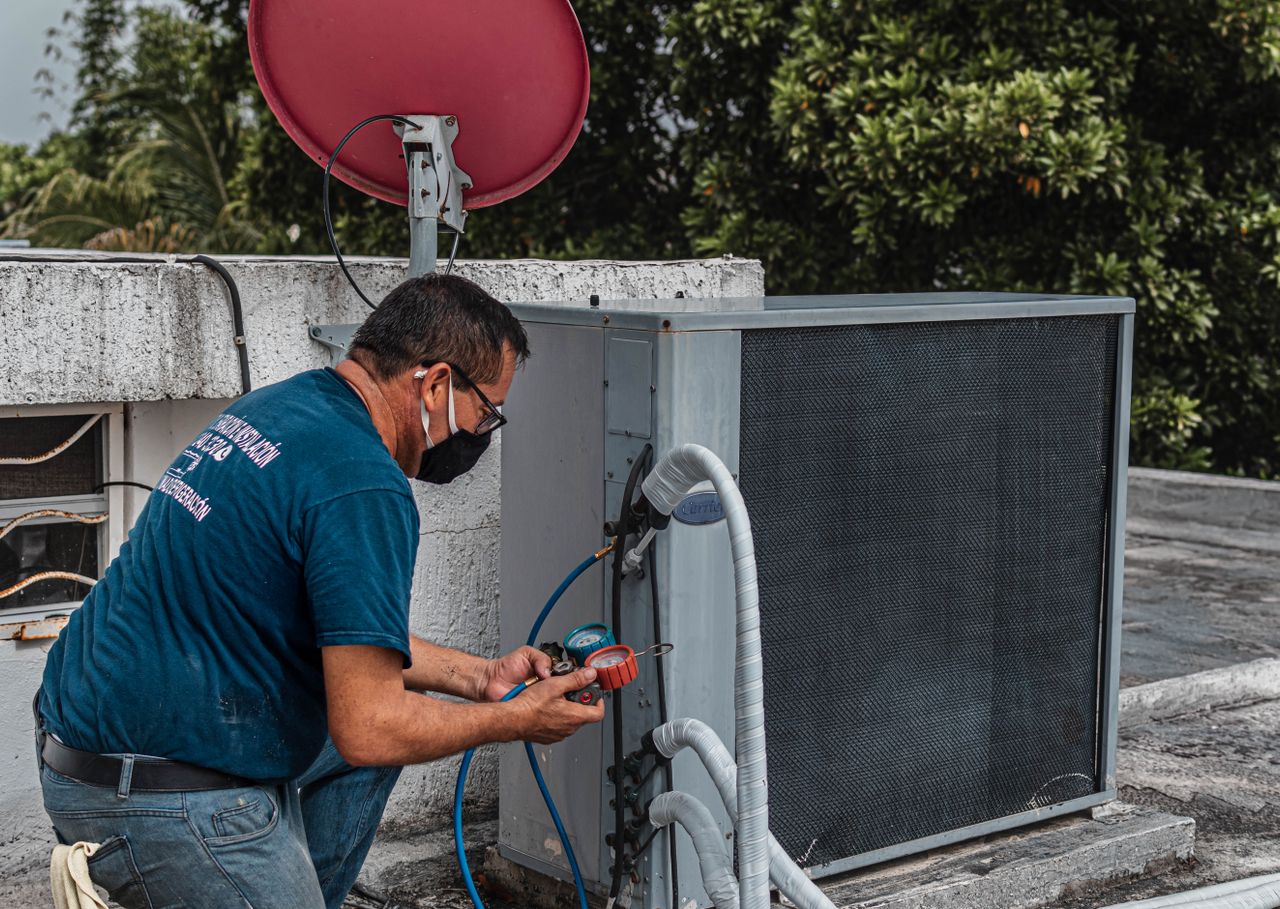
Spring is the easiest season to get ahead of problems. Temperatures are mild, HVAC companies have open schedules, and you have time to react if something unexpected comes up during an inspection. Aim to do your spring work in March or April, before the first 85-degree day sends every homeowner in your zip code scrambling for the same technicians.
Start outside. Walk around the condenser unit and remove any leaves, twigs, mulch, or plastic bags that collected over winter. Trim back any shrubs or grass so there is at least two feet of clearance on all sides. Then gently rinse the fins with a garden hose, spraying from the inside out if you can safely remove the top grille. Never use a pressure washer because it bends the aluminum fins.
Inside the house, swap the filter, test the thermostat by setting it a few degrees below room temperature, and listen for the outdoor unit to kick on within a minute or so. If it does not, or if the air from the vents feels weak, that is your cue to schedule a professional visit.
Why Spring Is the Smart Time to Book a Tune-Up
Technicians who service your air conditioner in April have the bandwidth to spend a full hour on your equipment. In July, they are jumping between emergency calls and may miss small details. A spring visit typically includes checking refrigerant pressure, tightening electrical connections, lubricating the blower motor, testing the capacitor, and measuring the temperature drop across the evaporator coil.
A spring tune-up also gives you a chance to ask about ways to lower your AC bill through small adjustments like fan speed changes, thermostat scheduling, or duct sealing. Technicians are generally happy to share tips when they are not racing the clock.
Summer Habits That Keep Your System Running Smoothly
Once the AC is running daily, your job shifts from inspection to observation. Pay attention to how the system behaves. Is it cycling on and off more often than it used to? Is one room suddenly warmer than the rest? Are your energy bills creeping up compared to last year? Each of these clues points to a different underlying issue.
The single most important summer habit is checking the filter every month. A clogged filter forces the blower to work harder, drops airflow across the coil, and can even cause the evaporator to freeze up. According to the Department of Energy, replacing a dirty filter with a clean one can lower an air conditioner’s energy use by 5 to 15 percent. That is a massive return for a five-minute task.
Here are the summer habits worth building into your routine:
- Check the filter monthly and replace when it looks gray
- Keep interior vents unblocked by furniture and rugs
- Flush a cup of white vinegar through the condensate drain line monthly
- Rinse the outdoor condenser gently every six to eight weeks
- Set the thermostat higher when you leave for work to reduce runtime
- Keep blinds closed on south and west windows during peak sun
Guidance from Energy Star also recommends replacing filters every three months in your air conditioner, furnace, and heat pump as a baseline. If you have pets or allergies, you will want to move faster than that.
Fall Transition: Shifting From Cooling to Heating Mode
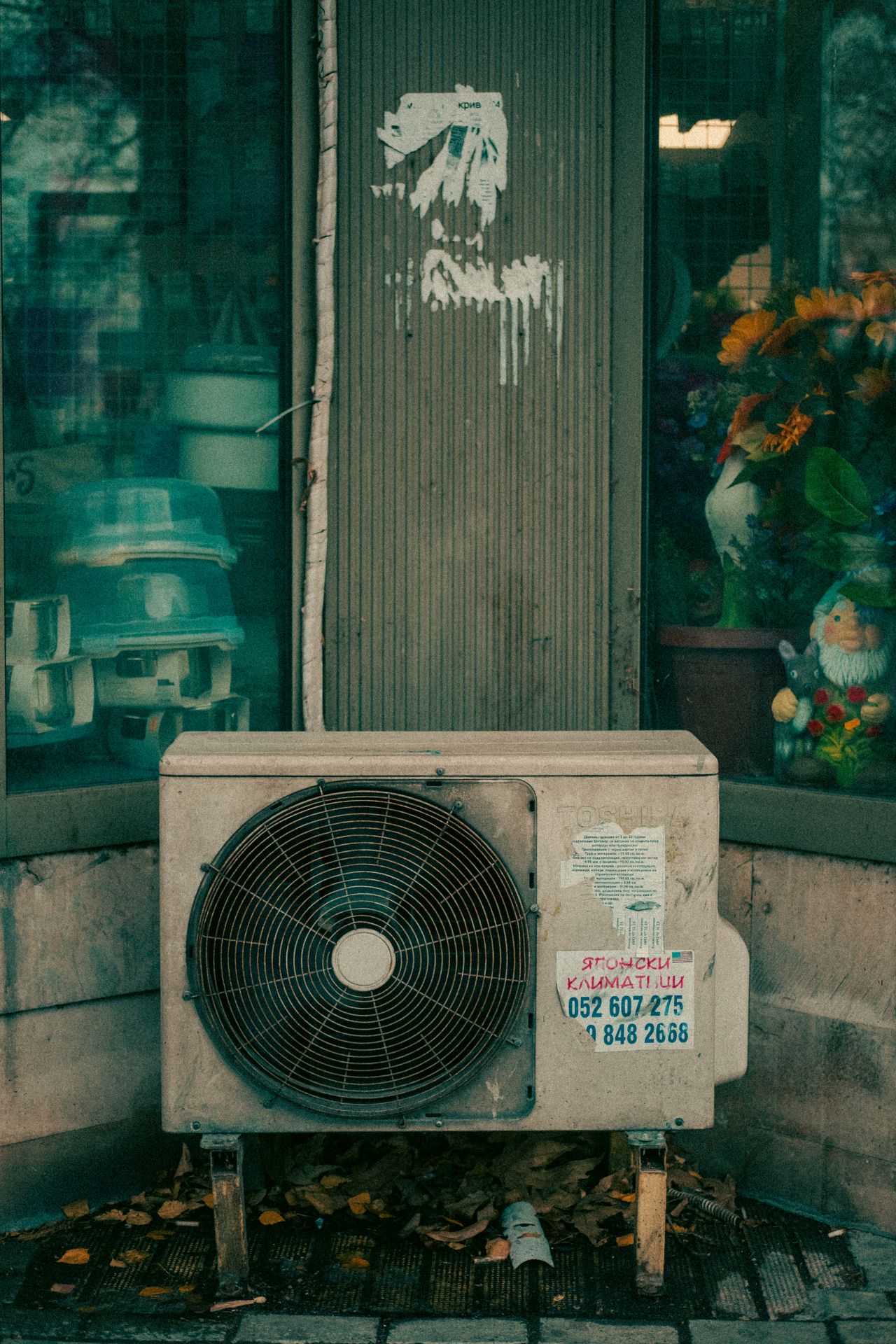
Fall is the hinge season. Your air conditioner wraps up its work and your furnace or heat pump gets ready to carry the load. Take a weekend in October to make the handoff clean. Shut off the power to the outdoor condenser at the disconnect box, cover the top of the unit with a piece of plywood weighted down with a brick (never a full wrap, which traps moisture and invites rust), and clear away the summer’s debris one last time.
Then turn your attention indoors. Replace the filter, vacuum around the furnace, and remove anything stored within three feet of the unit. Cardboard boxes, laundry baskets, and old paint cans near a furnace are a fire hazard that homeowners overlook constantly.
If you want a deeper walkthrough on how to prepare heating system for autumn, there are step-by-step resources that cover ignition testing, pilot light checks, and vent inspections in more detail. The key is to run your heat for fifteen or twenty minutes on a mild day in early October so you can catch problems while the weather still allows comfortable troubleshooting.
What to Listen and Smell For on First Startup
When the furnace fires up for the season, stand near it for the first cycle. You might notice a burning dust smell, which is normal and should fade within an hour. What is not normal: a persistent chemical odor, a rotten egg smell that suggests a gas leak, loud banging on ignition, or a burner that lights but fails to stay on. Any of those warrant shutting the system down and calling a technician before you run it again. A rotten egg smell especially means leaving the house first and calling the gas company from outside.
Also pay attention to the exhaust vent on the exterior wall or roof. Birds and squirrels love to nest in these during summer, and a blocked flue can push carbon monoxide back into the living space. A quick visual check from the ground is usually enough.
Winter Watchfulness: Protecting Your Furnace During Peak Demand
Once heating season is in full swing, your furnace or heat pump is running for many hours every day. Small issues compound fast under that kind of workload. The homeowner’s job during winter is mostly vigilance: monitor, listen, and react quickly when something changes.
Keep the area around the furnace clean and dry. Check that the flame, if you have a gas unit with a viewing window, burns steady and blue. Yellow or flickering flames suggest incomplete combustion and need professional attention. Test your carbon monoxide detectors monthly, and replace the batteries if they are more than six months old.
Snow and ice management matters too. If you have a high-efficiency furnace that vents through a PVC pipe on the side of your house, make sure that pipe stays clear after every storm. A blocked intake or exhaust will cause the furnace to shut down on a safety lockout, usually at the coldest possible hour.
Heat pump owners have an extra task: watch for excessive ice buildup on the outdoor coil. A light frost that comes and goes during defrost cycles is normal. A thick shell of ice covering the whole unit means the defrost cycle is not working, and continuing to run it that way will damage the compressor. If you see that happen, it is worth thinking through whether to repair or replace HVAC equipment that keeps giving you trouble, especially if the unit is more than a decade old.
Simple Winter Checks You Can Do in Five Minutes
- Confirm the thermostat reads within two degrees of a separate room thermometer
- Walk through every room and note any that feel colder than the thermostat setting
- Listen for short cycling, where the system turns on and off in quick bursts
- Check that all supply vents are open and return vents are unblocked
- Inspect the humidifier pad if you have a whole-house unit and replace yearly
Tasks Best Left to a Licensed Technician
There is real satisfaction in handling your own upkeep, but some jobs genuinely require training, tools, and certifications. Refrigerant work is regulated by the EPA, and handling it without a license is illegal. Electrical diagnostics involve voltages that can kill. Gas line work carries obvious risks.
Hand these off to a professional every time:
- Refrigerant leak detection and recharging
- Capacitor and contactor replacement
- Blower motor repair or replacement
- Heat exchanger inspection for cracks
- Gas valve and pilot assembly service
- Ductwork sealing with mastic or aerosol sealant
- Combustion analysis and flue gas testing
A good technician will also catch problems you would never spot. Hairline cracks in a heat exchanger, for example, are invisible without a borescope but can leak carbon monoxide into your home. A capacitor might read within tolerance today and fail next week. These are judgment calls that come from years of fieldwork.
Building a Simple Home Service Log
The homeowners who get the most out of their equipment are the ones who write things down. A basic notebook or a note on your phone works fine. Record the date of every filter change, every professional visit, every odd sound, and every unusual bill. Over time, patterns emerge that help both you and your technician.
A useful log entry includes the date, what was done or noticed, who did the work, and any parts replaced. If a blower motor goes out three years after a capacitor swap, your technician can see the history instantly and make smarter recommendations. If you sell the home, that log becomes a selling point for buyers who care about what they are inheriting.
A few things worth tracking:
- Filter brand, size, and MERV rating along with replacement dates
- Thermostat settings and schedule changes through the seasons
- Monthly energy bills compared year over year
- Any strange noises, smells, or performance drops
- Service invoices with parts and labor itemized
Signs Your System Needs Service Between Tune-Ups
Seasonal visits cover routine care, but some warning signs should not wait for the next scheduled appointment. Call a technician if you notice any of the following:
- Warm air from the vents in cooling mode, or cool air in heating mode
- Weak airflow from several vents at once
- The system turning on and off every few minutes
- Water pooling around the indoor unit or ice on the refrigerant lines
- Grinding, squealing, or banging noises
- Burning, musty, or gas-like smells
- A sudden jump in energy bills with no change in how you use the system
Catching these problems early usually means a smaller repair bill and less time without heating or cooling. It also protects the major components, such as the compressor and heat exchanger, that are most expensive to replace.
Frequently Asked Questions
How often should HVAC be serviced?
Most systems should be professionally serviced twice a year: the air conditioner in spring and the furnace in fall. Heat pumps, which heat and cool year-round, also benefit from two visits per year. Between visits, check the air filter monthly and replace it every one to three months.
Is HVAC maintenance worth the cost?
For most homeowners, yes. A tune-up typically costs far less than an emergency repair, and a well-maintained system uses less energy, breaks down less often, and lasts longer. Many manufacturers also require proof of regular maintenance to honor warranty claims.
Can I do HVAC maintenance myself?
Homeowners can safely handle filter changes, clearing debris from the outdoor unit, rinsing condenser coils, flushing the condensate drain, keeping vents clear, and testing thermostats and detectors. Refrigerant work, electrical repairs, gas components, and combustion testing should always be left to licensed technicians.
How long does an HVAC tune-up take?
A standard residential tune-up usually takes about one to two hours per system. Older or larger systems, or visits that uncover repairs, can take longer.
What happens if I skip HVAC maintenance?
Skipping maintenance lets dust, worn parts, and small leaks build up over time. The result is usually higher energy bills, uneven comfort, more frequent breakdowns, and a shorter equipment lifespan. In fuel-burning systems, neglected components can also create safety risks such as carbon monoxide leaks.
Conclusion
Caring for your heating and cooling equipment does not require a mechanical engineering degree or a garage full of specialty tools. It requires a rhythm. Spring and fall tune-ups, monthly filter checks, seasonal outdoor cleanings, and a willingness to call in help when something feels off will carry most homeowners through decades of reliable comfort.
The payoff shows up in three places: lower monthly bills, fewer emergency repair calls, and equipment that reaches the upper end of its expected lifespan. Add in the comfort of knowing your family breathes cleaner air and sleeps in a house that holds its temperature evenly, and the small time investment starts to feel like one of the better deals in homeownership.
Start wherever you are in the calendar. If it is February, test your carbon monoxide detectors and check the furnace vent for snow. If it is July, change that filter and rinse the condenser. The season you are in is always the right place to begin, and the system you take care of today is the one that will take care of you tomorrow.